$850.00–$3,800.00Price range: $850.00 through $3,800.00
Buy 6.8 SPC online from Ammo Plug. We deliver reliable, discreet access to 6.8 SPC ammunition worldwide with no license required, overnight shipping in the USA and Canada, and 3–5 day international delivery. Enjoy secure payments via Bitcoin, bank transfer, Zelle, CashApp, or Western Union, plus tracking numbers and a 30-day full refund or replacement guarantee. Our service emphasizes complete privacy with unmarked packaging, fast processing, and 100% customer satisfaction. Whether for hunting medium game, home defense, target shooting, or AR-15 platform versatility, we provide consistent factory loads from trusted manufacturers in various bullet types and weights, all handled with speed and discretion.
GET 10% DISCOUNT FOR ORDERS PAID VIA BITCOIN(BTC) OR USDT: USE CODE: “CRYPTO”
110 grains (1000)Rounds
$850.00
110 grains (2000)Rounds
$1,600.00
110 grains (5000)Rounds
$3,600.00
115 grains (1000)Rounds
$900.00
115 grains (2000)Rounds
$1,700.00
115 grains (5000)Rounds
$3,700.00
120 grains (1000)Rounds
$1,000.00
120 grains (2000)Rounds
$1,800.00
120 grains (5000)Rounds
$3,800.00
WE'RE A TEAM OF DEDICATED EXPERTS THAT OPERATE WITH 100% DISCRETION FROM DISCREET PACKAGING TO DELIVERY. THROUGH OUR TRUSTED CONNECTIONS WITH MAJOR CARRIERS, YOUR PACKAGE IS FULLY PROTECTED THROUGHOUT THE SHIPPING PROCESS AND GUARANTEED TO ARRIVE SAFELY EVERY TIME. TO MAINTAIN THIS HIGH LEVEL OF SERVICE AND SECURITY, WE ONLY SHIP THE MINIMUM ORDER QUANTITIES LISTED ABOVE.
We make it simple and secure to buy 6.8 SPC online through our dedicated platform at Ammo Plug.
We offer a wide selection of 6.8 SPC ammunition from trusted manufacturers, covering various bullet types like full metal jacket for target practice and soft point or polymer-tipped for hunting needs.
Our process ensures complete discretion from browsing to final delivery, protecting your privacy at every step without requiring any special permits or licenses.
We ship worldwide with reliable carriers, providing tracking numbers so you can monitor your order from confirmation to arrival.
Customers enjoy our 30-day full refund or replacement policy if any issues arise with the product upon receipt.
We prioritize fast processing and use plain, unmarked packaging to maintain complete discretion during transit.
Our platform accepts flexible payments including Bitcoin for added privacy, along with bank transfer, Zelle, CashApp, and Western Union options.
We focus on 100% customer satisfaction with responsive support to answer questions about compatibility, performance, or ordering.
How to order 6.8 SPC Online
Ordering 6.8 SPC from us follows a straightforward, secure process designed for ease and speed.
Browse our selection of 6.8 SPC ammunition to find the bullet weights and types that match your rifle setup or intended use, such as 110-grain to 120-grain loads.
Add your chosen items to the cart, where you can review quantities and confirm details before moving forward.
Proceed to checkout and enter your shipping information, knowing we handle all data with strict privacy measures.
Select your preferred manual payment method from Bitcoin, bank transfer, Zelle, CashApp, or Western Union during the secure checkout.
Complete payment and await our confirmation email, which includes your order details and expected shipping timeline.
Once payment is verified, we prepare and ship your order discreetly with a tracking number provided for real-time updates.
Receive your package quickly, with overnight options available within the USA and Canada for urgent needs.
Why choose Ammo Plug
We stand out as the most reliable online facilitator for ammunition like 6.8 SPC by focusing on trust, speed, and discretion.
We deliver worldwide with no license required, making access easy regardless of location or local restrictions.
Our discreet packaging and delivery methods ensure your order arrives privately without drawing attention.
We provide multiple secure payment options including Bitcoin for privacy-focused buyers, plus Zelle, CashApp, bank transfer, and Western Union.
Overnight discreet delivery is available within the USA and Canada, while international orders arrive in 3 to 5 days on average.
Every purchase includes a tracking number so you stay informed about your shipment’s progress at all times.
We back our service with a 30-day full refund or replacement policy to give you complete confidence in your order.
We commit to 100% customer satisfaction through clear communication, privacy protection, and reliable fulfillment every time.
Shipping Policy
We handle shipping for 6.8 SPC with speed, discretion, and reliability to meet your needs effectively.
Within the USA and Canada, we offer 1 to 2 days overnight discreet delivery for fast access to your ammunition.
International shipments typically arrive in 3 to 5 days, depending on your location and customs processing.
All packages use plain, unmarked packaging to ensure complete discretion during transit and delivery.
We provide a tracking number with every order so you can follow your shipment from dispatch to arrival.
We ship worldwide without requiring any licenses, making the process straightforward and accessible.
Our policy emphasizes secure handling and timely updates to maintain full customer confidence throughout.
2,400 to 2,900 fps (typically 2,500-2,700 fps from 16-inch barrel)
Muzzle Energy Range
1,500 to 1,800 ft-lbs (often around 1,600-1,750 ft-lbs)
Effective Range
Up to 300 yards for most applications, with strong performance to 250 yards
Case Capacity
Approximately 34.8–36.9 grains of water
Maximum Pressure (SAAMI)
55,000 psi
Parent Case
Based on .30 Remington
Common Uses
Target shooting, hunting medium game (deer, hogs), self-defense
Product comparison table
Feature
6.8 SPC
5.56 NATO
7.62x51mm NATO
Bullet Diameter
0.277 inches
0.224 inches
0.308 inches
Typical Bullet Weight
110-120 grains
55-62 grains
147-168 grains
Muzzle Energy (typical)
1,600-1,800 ft-lbs
1,200-1,300 ft-lbs
2,500+ ft-lbs
Recoil Level
Moderate (higher than 5.56)
Low
High
Effective Range (energy)
Strong to 300 yards
Drops faster beyond 200-300 yards
Excellent beyond 500 yards
Barrel Efficiency
Optimized for short barrels
Loses velocity quickly in short barrels
Better in longer barrels
Magazine Compatibility
AR-15 platform (dedicated mags)
Standard AR-15 magazines
Requires different platform
Primary Advantage
Better terminal performance
High capacity, low recoil
Superior long-range power
Buy 6.8 SPC online
6.8 SPC stands out for hunting because it delivers superior energy transfer, controlled expansion, and reliable terminal performance on medium-sized game at practical ranges, outperforming smaller calibers while keeping recoil manageable.
It provides muzzle energy typically between 1,600 and 1,800 ft-lbs, offering excellent knockdown power on deer, feral hogs, and similar game without excessive over-penetration in most loads.
Expanding bullets such as soft points, polymer-tipped, and bonded designs create wide wound channels and rapid energy dump, leading to quicker, more ethical harvests compared to standard FMJ or lighter varmint rounds.
The cartridge maintains velocity and energy well out to 250–300 yards from common 16-inch barrels, making it highly effective for stand hunting, stalking, or shots across open fields.
Its moderate recoil allows for faster follow-up shots and better accuracy under field stress, which is critical when hunting wary or moving animals like hogs.
6.8 SPC performs reliably in short-barreled AR-15 platforms, giving hunters a lightweight, maneuverable rifle ideal for thick brush, tree stands, or mobile predator control.
Many hunters report consistent one-shot stops on medium game when using premium hunting loads, reducing the need for tracking long distances.
The round bridges the gap between 5.56 NATO (often underpowered for larger game) and heavier .308-class cartridges (higher recoil and weight), offering an efficient middle-ground solution.
Yes, 6.8 SPC is fully compatible with the AR-15 platform through simple, dedicated conversions that reuse most existing components while requiring only specific upper, bolt, and magazine changes.
You can use a standard AR-15 lower receiver, trigger group, buffer tube, and stock without modification.
A dedicated 6.8 SPC upper receiver assembly (barrel, bolt carrier group, and handguard) is required, as the bore and chamber are different from 5.56/.223.
The bolt is specific to 6.8 SPC (larger face and extractor than 5.56), but it drops into standard AR-15 bolt carrier groups.
Proprietary 6.8 SPC magazines are necessary for reliable feeding; standard 5.56 magazines will not function properly due to different case dimensions.
Many manufacturers offer complete 6.8 SPC uppers or full rifles built on AR-15 receivers, allowing easy swapping between calibers.
No permanent modifications to the firearm are needed, so you can convert back to 5.56 NATO by changing only the upper and magazines.
Barrel lengths from 12.5 to 20 inches are common and perform well, with 16 inches being the most popular balance of velocity and handling.
6.8 SPC ammunition comes in a variety of bullet types tailored to different purposes, from training and target shooting to hunting and precision applications.
Full Metal Jacket (FMJ) bullets (typically 110–115 gr) are widely available for range practice, plinking, and high-volume shooting with reliable feeding and minimal barrel fouling.
Soft Point (SP) and Hollow Point (HP) designs expand reliably on impact, making them popular for hunting medium game and offering controlled penetration with good wound channels.
Polymer-tipped bullets (such as Hornady SST or similar) combine high ballistic coefficients with rapid expansion, delivering flat trajectories and devastating terminal performance out to 300 yards.
Bonded bullets (core locked to jacket) provide deep penetration and weight retention, ideal for tougher animals like feral hogs or when shooting through brush.
Match-grade or Sierra MatchKing-style loads (often 110–120 gr boat-tail) deliver excellent accuracy for varmint control, long-range target shooting, or competition use.
Specialty loads include subsonic options for suppressed shooting and frangible or barrier-blind projectiles for defensive or law enforcement applications.
Major manufacturers like Hornady, Remington, Federal, and Winchester produce consistent, factory-loaded options across these categories year-round.
6.8 SPC is engineered to deliver strong velocity and energy even from shorter barrels, with diminishing returns beyond 16 inches, making it one of the best-performing intermediate cartridges in compact AR platforms.
From a 16-inch barrel (the most common length), velocities typically range from 2,500–2,700 fps with 110–120 gr bullets, providing an excellent balance of power and handling.
Shorter barrels (12.5–14.5 inches) lose only about 50–100 fps compared to 16 inches, resulting in minimal practical drop in energy or effective range for most hunting and defensive uses.
Barrels longer than 16–18 inches add very little additional velocity (often less than 50 fps per extra inch), so gains in ballistic performance are small compared to added weight and length.
The cartridge’s relatively large case capacity and moderate powder charge allow it to maintain efficiency in compact configurations better than high-velocity rounds like 5.56 NATO.
Shorter barrels remain quieter when suppressed and easier to maneuver in tight spaces, without sacrificing the round’s core advantages for home defense or hunting in dense cover.
Accuracy remains high across barrel lengths when using quality ammunition and proper twist rates, with most shooters seeing sub-MOA groups from 14.5–20 inch barrels.
For maximum long-range performance (beyond 300 yards), a 16–18 inch barrel is generally considered optimal before diminishing returns set in.
6.8 SPC produces moderate recoil that sits between the low kick of 5.56 NATO and the heavier push of .308 Winchester, offering excellent shootability and fast follow-up shots in an AR-15 platform.
Recoil impulse is noticeably higher than 5.56 NATO due to greater bullet mass and energy, but remains comfortable and very controllable for most shooters.
Compared to .308/7.62 NATO, 6.8 SPC generates significantly less felt recoil and muzzle rise, allowing quicker target reacquisition and better accuracy during rapid fire.
In a standard 16-inch AR-15, recoil feels similar to a light 7.62x39mm load—sharp but not punishing—making it suitable for extended range sessions or defensive drills.
The round’s moderate recoil profile supports accurate off-hand shooting and sustained fire without excessive fatigue, especially when paired with a quality muzzle brake or compensator.
Women, smaller-framed shooters, and recoil-sensitive individuals often find 6.8 SPC far more manageable than larger calibers while still delivering superior terminal performance.
Recoil remains consistent across bullet weights (90–130 gr), with heavier loads producing slightly more push but staying well within the “pleasant” range for most users.
Suppressors further tame perceived recoil, making suppressed 6.8 SPC setups exceptionally soft-shooting for hunting or home defense applications.
Yes, 6.8 SPC is an excellent choice for home defense due to its superior stopping power, manageable recoil in AR-15 platforms, and effective performance from short barrels, providing reliable terminal ballistics in confined spaces.
It delivers significantly more energy on target than 5.56 NATO, with typical loads transferring 1,600+ ft-lbs, leading to quicker incapacitation against threats.
Expanding or fragmenting bullets (soft point, hollow point, or polymer-tipped) create large wound channels and reduce over-penetration risk compared to high-velocity FMJ rounds.
Short-barreled AR-15 configurations (12.5–16 inches) maintain high velocity and energy, making the cartridge ideal for maneuverability in hallways and rooms.
Moderate recoil allows for fast, accurate follow-up shots under stress, which is critical in defensive scenarios where multiple rounds may be needed.
The round performs well with common defensive optics like red dots or low-magnification LPVOs, enabling quick target acquisition in low-light conditions.
Many users report better barrier penetration than 5.56 while still offering controlled expansion, balancing effectiveness against clothed or lightly obstructed threats.
When paired with a suppressor, 6.8 SPC becomes hearing-safe and reduces muzzle flash, preserving night vision and situational awareness indoors.
The optimal twist rate for 6.8 SPC is 1:11 or 1:10, with 1:11 being the most widely recommended and factory-standard choice for stabilizing the full range of common bullet weights effectively.
A 1:11 twist provides excellent stabilization for popular 110–120 grain bullets, delivering tight groups and consistent accuracy across hunting, target, and defensive loads.
1:10 twist rates handle heavier bullets (up to 130 grains) and longer, high-BC projectiles very well, making them suitable for long-range or precision applications.
Most major manufacturers (Barrett, Wilson Combat, LWRC) ship 6.8 SPC barrels with a 1:11 twist, proving its reliability and versatility for the majority of factory ammunition.
Slower twists like 1:12 can stabilize lighter 90–100 grain bullets but may show slight keyholing or reduced accuracy with heavier 115–130 grain projectiles.
Faster twists (1:9 or quicker) are rarely needed and can over-stabilize lighter bullets, potentially reducing terminal performance on soft tissue.
For mixed-use rifles (target, hunting, defense), 1:11 offers the best all-around performance without compromising any common load type.
Barrel quality and proper break-in matter more than minor twist differences—consistent rifling and clean chambers yield sub-MOA results with the right twist.
Yes, 6.8 SPC is highly reloadable, with durable brass cases that support multiple firings and a wide selection of components for custom loads tailored to specific rifles and purposes.
Brass from major manufacturers (Remington, Hornady, Starline) is strong and consistent, often lasting 8–15 reloads with proper annealing and neck sizing.
Large rifle primers are standard (some loads use small rifle), providing reliable ignition across a broad range of powders suitable for the cartridge.
Bullet selection includes 85–130 grain options from Sierra, Hornady, Nosler, Berger, and others, allowing precise tuning for accuracy, hunting expansion, or long-range ballistics.
Powder choices like CFE223, H335, Varget, Reloder 15, and AA2200 work well, offering flexible velocity and pressure curves for different barrel lengths.
Reloading data is widely available from Hodgdon, Nosler, Hornady, and Lyman manuals, with SAAMI max pressure of 55,000 psi ensuring safe handloads.
Many reloaders achieve sub-MOA accuracy and match-grade performance that often surpasses factory ammunition in their specific rifles.
Cases can be resized with standard 6.8 SPC dies, and the bottleneck design makes neck tension straightforward for consistent results.
6.8 SPC and 6.5 Grendel are both excellent AR-15 intermediate cartridges, with 6.8 SPC offering superior close- to mid-range energy and terminal performance, while 6.5 Grendel provides flatter trajectory and better long-range efficiency.
At ranges under 250 yards, 6.8 SPC typically delivers 200–400 ft-lbs more muzzle energy, resulting in better knockdown and expansion on medium game or defensive targets.
6.5 Grendel excels beyond 300 yards with higher ballistic coefficients and less wind drift, making it preferable for precision shooting or extended-range hunting.
Recoil is very similar between the two, though 6.8 SPC feels slightly sharper due to higher velocity in shorter barrels.
Magazine capacity in standard AR-15 lowers is nearly identical (often 25–30 rounds), with both requiring dedicated magazines for reliable feeding.
6.8 SPC performs better in very short barrels (12–14 inches) with minimal velocity loss, while Grendel benefits more from longer barrels (18–20 inches).
Ammunition availability favors 6.8 SPC slightly in hunting and defensive loads, while Grendel has a strong following in match and long-range circles.
Both cartridges are highly accurate and effective; choice often depends on primary use—6.8 SPC for closer, harder-hitting applications and Grendel for distance-oriented shooting.
6.8 SPC is highly effective against feral hogs due to its combination of deep penetration, rapid energy transfer, and controlled expansion, making it capable of ethical one-shot kills on tough, thick-skinned animals.
Bullet weights of 110–120 grains with bonded or monolithic designs penetrate thick hide, shoulder bones, and heavy muscle while retaining enough mass for exit wounds on larger boars.
Expanding bullets (soft point, polymer-tipped, or hollow point) create devastating wound channels that cause rapid blood loss and quick stops, even on charging or angled shots.
Muzzle energy in the 1,600–1,800 ft-lbs range provides ample power to anchor hogs out to 200–250 yards, outperforming lighter calibers in terminal effect.
The cartridge’s moderate recoil allows fast follow-up shots, which is essential when dealing with groups of hogs or when the first shot doesn’t immediately stop the target.
Short-barreled AR-15 platforms chambered in 6.8 SPC offer lightweight mobility and quick handling in thick brush or at night stands, common hog-hunting environments.
When paired with thermal or night-vision optics, 6.8 SPC delivers reliable performance for after-dark hog control without excessive recoil disrupting aim.
Hunters frequently report clean, efficient harvests on 150–300 lb hogs using premium loads, with minimal tracking required compared to smaller calibers.
No, 6.8 SPC does not require any special cleaning routines beyond standard AR-15 rifle maintenance, though paying attention to the chamber and bolt face helps maintain reliability due to its bottlenecked case design and moderate powder fouling.
Use the same bore brush, patches, solvent, and lubricant as you would for 5.56 NATO or .223 Remington—standard cleaning rods, jags, and brushes fit perfectly.
Carbon and copper fouling in the barrel cleans up normally with common solvents like Hoppe’s No. 9, CLP, or dedicated copper removers after 500–1,000 rounds.
The chamber area may accumulate slightly more residue from the larger case mouth, so use a chamber brush or nylon brush to ensure clean extraction and feeding.
The bolt face and extractor can collect more carbon due to the cartridge’s design, but a simple nylon brush and solvent wipe during field cleaning prevents issues.
Gas system cleaning follows standard AR-15 procedures—remove and scrub the gas block, tube, and key as needed based on round count and powder type.
Suppressors increase fouling, so clean the suppressor and muzzle device more frequently, but no unique steps are required for 6.8 SPC specifically.
Regular preventive maintenance (every 300–500 rounds) keeps the rifle running smoothly, with no exotic tools or chemicals necessary.
Yes, beginners can successfully use 6.8 SPC because it offers manageable recoil, familiar AR-15 ergonomics, and straightforward handling, though some initial practice with sighting and trigger control improves confidence and accuracy.
The moderate recoil is noticeably higher than 5.56 NATO but far less intimidating than .308 or larger calibers, making it approachable for new shooters.
It operates on the same AR-15 platform most beginners already know or are learning, so controls, loading, and malfunctions are identical to common 5.56 rifles.
Ammunition is reliable and consistent from major brands, reducing feeding or extraction issues that can frustrate new users with less common calibers.
Short-barreled setups provide easy handling and low weight, helping beginners maintain control during practice or defensive training.
With basic instruction on stance, grip, and sight alignment, most new shooters achieve good groups quickly due to the cartridge’s inherent accuracy.
Recoil-sensitive beginners often find 6.8 SPC more comfortable than expected, especially with a muzzle brake or padded stock to further soften felt kick.
Starting with lighter 110-grain loads and progressing to heavier hunting bullets builds skills gradually without overwhelming the shooter.
6.8 SPC pairs excellently with a wide range of optics suited to its effective range of 25–300 yards, with low-power variable scopes, red dots, and holographic sights being the most popular and versatile choices.
Low-power variable optics (LPVO) in 1-6x, 1-8x, or 1-10x magnification provide true 1x for close-range speed and higher zoom for precise shots out to 250–300 yards.
Red dot sights (2–3 MOA) or holographic sights deliver fast target acquisition for home defense, close-quarters hunting, or dynamic shooting scenarios.
Prism scopes (3x or 5x fixed) offer compact size, etched reticles for battery-free use, and good clarity for medium-range accuracy.
Mid-range variable scopes (3-9x or 4-12x) work well for dedicated hunting or target setups where shots are typically 100–250 yards.
Illuminated reticles and BDC (bullet drop compensator) reticles tuned for 110–120 grain loads simplify holdovers and improve performance in low-light conditions.
Night vision or thermal optics pair effectively for after-dark hog hunting or predator control, leveraging the cartridge’s strong performance in short barrels.
Quality mounts with proper eye relief and cantilever designs ensure consistent zero and quick mounting on flat-top AR-15 receivers.
Yes, 6.8 SPC ammunition is widely manufactured and consistently available from major brands, covering training, hunting, defensive, and match-grade loads to meet nearly every shooting need.
Hornady produces popular lines like V-MAX, SST, and Custom with polymer-tipped and soft-point bullets optimized for hunting and varmint control.
Remington continues to offer Core-Lokt and Premier Match loads, maintaining a strong presence in both hunting and target segments.
Federal supplies American Eagle FMJ for affordable training and Fusion bonded soft points for reliable deer and hog performance.
Winchester, PMC, and SIG Sauer offer budget-friendly FMJ and defensive hollow-point options for range use and personal protection.
Specialty manufacturers like DoubleTap, Underwood, and Buffalo Bore provide high-performance loads with heavier bullets or +P pressures for maximum energy.
Match-grade ammunition from Hornady Black, Federal Gold Medal, and others delivers sub-MOA accuracy for precision shooting and competition.
Availability remains steady through online retailers, gun shops, and distributors, with production levels supporting both casual and high-volume shooters.
Weather conditions have a minimal to moderate effect on 6.8 SPC performance, similar to most centerfire rifle cartridges, with temperature changes having the most noticeable impact on velocity while wind and precipitation require standard hold adjustments.
Extreme cold (below 0°F) can reduce muzzle velocity by 50–150 fps due to slower powder burn rates, slightly lowering energy and flattening trajectory less than warmer conditions.
High heat (above 90°F) increases velocity modestly (20–80 fps), which can raise point of impact slightly but rarely requires major sight adjustments.
Humidity has negligible direct effect on internal ballistics, though wet conditions may increase barrel fouling over extended shooting sessions.
Wind drift is moderate—110–120 grain bullets with typical BCs (around 0.3–0.4) hold up well in 10–15 mph crosswinds out to 300 yards with proper doping.
Rain or snow can affect bullet flight minimally at short to medium ranges, but heavy precipitation may require cleaning to prevent rust or extraction issues.
Altitude reduces air density, increasing velocity and reducing drop, similar to other cartridges—shooters at high elevations often see flatter trajectories.
Overall reliability remains high across conditions when using quality ammunition and maintaining the rifle, with no extreme sensitivity to typical weather variations.
The 6.8 SPC was developed to offer better terminal performance than 5.56 in AR-15 rifles. Customers who buy 6.8 SPC online frequently explore other enhanced AR calibers. A strong pairing is to buy 450 Bushmaster online for heavy close-range power.
Buy .450 Bushmaster online from Ammo Plug. We provide reliable, discreet access to this powerful straight-wall cartridge ideal for hunting deer, black bear, feral hogs, and more in regulated states. Our service features no license required, worldwide shipping, 1–2 day overnight discreet delivery in the USA and Canada, and 3–5 days internationally. Choose secure payments via Bitcoin, bank transfer, Zelle, CashApp, or Western Union. Every order includes a tracking number, plus our 30-day full refund or replacement policy for complete peace of mind. We ensure 100% customer satisfaction with privacy-focused packaging and dependable fulfillment for all your .450 Bushmaster ammunition needs.
$1,100.00–$4,600.00Price range: $1,100.00 through $4,600.00
Select options This product has multiple variants. The options may be chosen on the product page
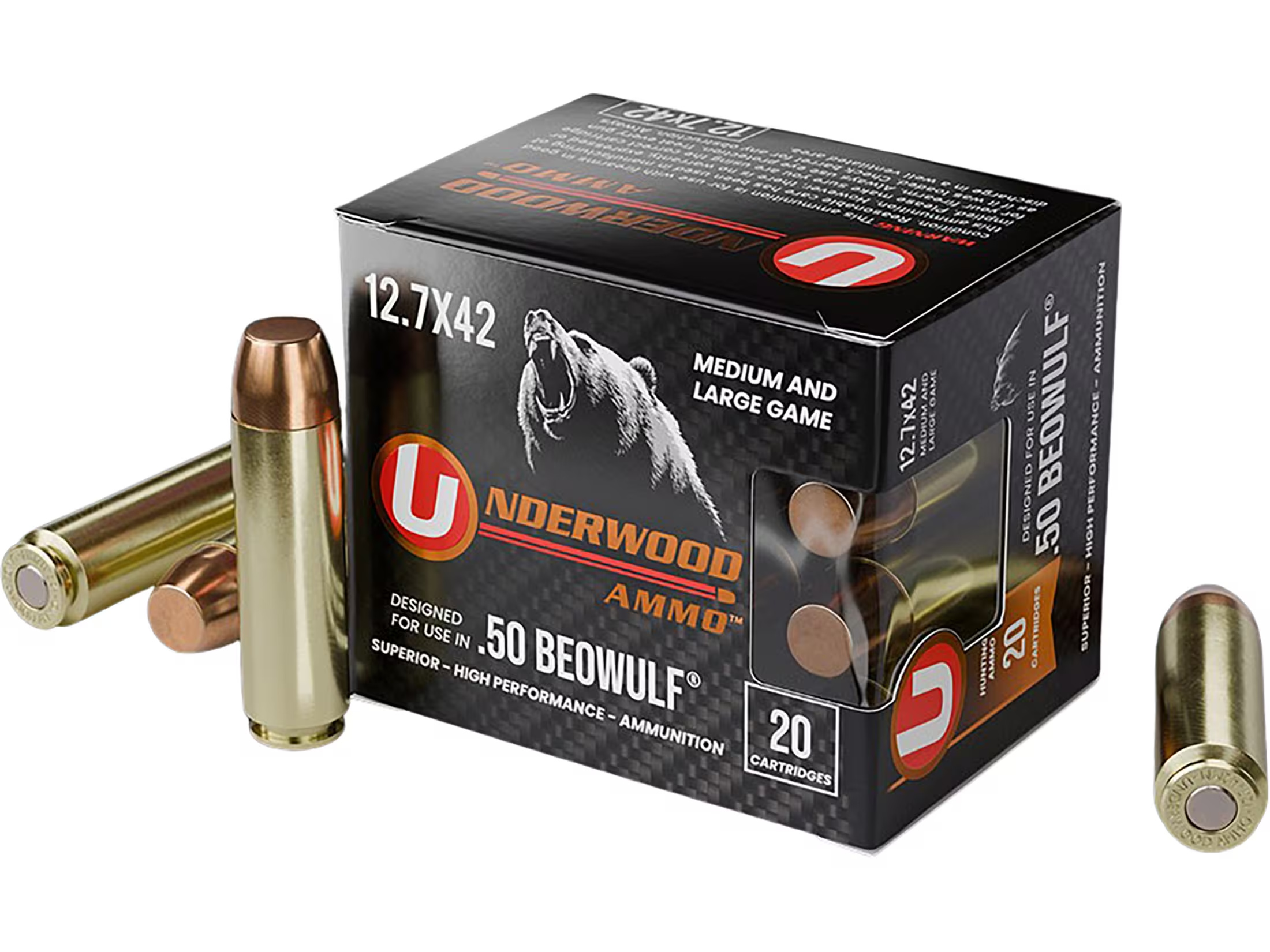
Buy .50 Beowulf online from Ammo Plug for reliable, discreet access to this powerful big-bore AR-15 cartridge. We offer .50 Beowulf (12.7x42mmRB) ammunition designed for superior stopping power, deep penetration, and versatility in hunting, home defense, and barrier defeat scenarios. Enjoy discreet worldwide shipping with overnight delivery in the USA and Canada, plus 3–5 days internationally. We accept Bitcoin, bank transfer, Zelle, CashApp, and Western Union—no credit cards required. Every order includes a tracking number and our 30-day full refund or replacement policy. We guarantee 100% customer satisfaction with privacy-focused packaging and dedicated support for a seamless experience.
$1,300.00–$4,800.00Price range: $1,300.00 through $4,800.00
Select options This product has multiple variants. The options may be chosen on the product page
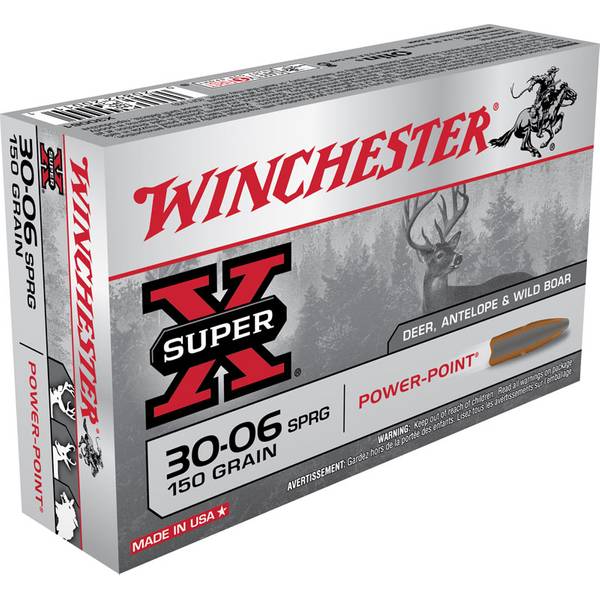
Buy .30-06 Springfield online from Ammo Plug. We deliver this timeless, versatile rifle cartridge known for its exceptional power, accuracy, and adaptability in hunting medium to large game like deer, elk, moose, and bear. With bullet weights from 110 to 220 grains, it offers flat trajectories for longer shots, deep penetration for tough animals, and reliable performance in any weather. Our discreet worldwide shipping includes overnight options in the USA and Canada, no license required, multiple secure payments like Bitcoin and Zelle, tracking numbers on every order, and a 30-day full refund or replacement guarantee for complete satisfaction.
$1,000.00–$4,200.00Price range: $1,000.00 through $4,200.00
Select options This product has multiple variants. The options may be chosen on the product page
Buy .300 Win Mag online from Ammo Plug. We provide reliable access to .300 Winchester Magnum ammunition with discreet worldwide shipping and no license required. Enjoy fast overnight delivery in the USA and Canada or 3–5 days internationally, plus secure payment options including Bitcoin, bank transfer, Zelle, CashApp, and Western Union. Every order includes a tracking number, discreet packaging, and our 30-day full refund or replacement policy for complete confidence. We focus on 100% customer satisfaction and strict privacy protection throughout the entire process, making us the trusted choice for hunters and shooters seeking powerful, long-range performance ammunition delivered safely and privately.
$850.00–$3,800.00Price range: $850.00 through $3,800.00
Select options This product has multiple variants. The options may be chosen on the product page