No products in the cart.

Buy .30-30 Winchester online
Price range: $950.00 through $4,100.00
Buy .30-30 Winchester online from Ammo Plug. We deliver this timeless lever-action cartridge known for its reliability in deer hunting up to 200 yards, mild recoil, and perfect compatibility with classic rifles like the Winchester 94 and Marlin 336. Enjoy discreet worldwide shipping with no license required, fast overnight delivery in the USA and Canada (1-2 days), international options (3-5 days), and secure payments through Bitcoin, bank transfer, Zelle, CashApp, or Western Union. Every order includes tracking, discreet packaging, and our 30-day full refund or replacement guarantee for complete customer satisfaction and peace of mind.
GET 10% DISCOUNT FOR ORDERS PAID VIA BITCOIN(BTC) OR USDT: USE CODE: “CRYPTO”
150 grains (1000)Rounds
$950.00
150 grains (2000)Rounds
$1,750.00
150 grains (5000)Rounds
$3,900.00
160 grains (1000)Rounds
$1,000.00
160 grains (2000)Rounds
$1,850.00
160 grains (5000)Rounds
$4,000.00
170 grains (1000)Rounds
$1,200.00
170 grains (2000)Rounds
$1,950.00
170 grains (5000)Rounds
$4,100.00
WE'RE A TEAM OF DEDICATED EXPERTS THAT OPERATE WITH 100% DISCRETION FROM DISCREET PACKAGING TO DELIVERY. THROUGH OUR TRUSTED CONNECTIONS WITH MAJOR CARRIERS, YOUR PACKAGE IS FULLY PROTECTED THROUGHOUT THE SHIPPING PROCESS AND GUARANTEED TO ARRIVE SAFELY EVERY TIME. TO MAINTAIN THIS HIGH LEVEL OF SERVICE AND SECURITY, WE ONLY SHIP THE MINIMUM ORDER QUANTITIES LISTED ABOVE.
Description
Where to buy .30-30 Winchester Online
We make it simple and secure to obtain .30-30 Winchester ammunition without unnecessary hurdles or requirements.
- We serve as a trusted online source for .30-30 Winchester rounds, delivering directly to customers who value convenience and privacy in their purchases.
- Our platform specializes in ammunition facilitation, ensuring you can find this popular cartridge easily without visiting physical stores or dealing with complex processes.
- We prioritize customer needs by offering a streamlined browsing and ordering experience tailored for those seeking reliable .30-30 Winchester supplies.
- Discreet packaging keeps your order private from start to finish, protecting your information during transit.
- Worldwide shipping options allow access regardless of location, with focused service for USA, Canada, and international destinations.
- We handle all orders personally to confirm details and provide tracking, giving you peace of mind throughout the process.
- Our commitment to satisfaction includes options for resolution if any issues arise with your .30-30 Winchester delivery.
How to order .30-30 Winchester Online
Ordering .30-30 Winchester from us follows a clear, step-by-step process designed for ease and security.
- Browse our selection of .30-30 Winchester ammunition to find the options that match your needs before adding items to your cart.
- Add your chosen .30-30 Winchester products to the cart and review them carefully to ensure accuracy.
- Proceed to checkout where you enter basic shipping information securely for fast processing.
- Select from our available manual payment methods such as Bitcoin, bank transfer, Zelle, CashApp, or Western Union to complete the transaction safely.
- We confirm your payment quickly once received, then prepare your order for immediate handling.
- Receive a tracking number as soon as your .30-30 Winchester package ships, allowing you to monitor progress in real time.
- Your order arrives with discreet delivery, typically within 1 to 2 days for USA and Canada or 3 to 5 days internationally.
Why choose Ammo Plug
We stand out as the most reliable choice for purchasing .30-30 Winchester and other ammunition online due to our focus on trust, privacy, and service.
- We offer discreet packaging on every .30-30 Winchester order to ensure complete privacy during delivery.
- No license is required for any purchase, removing barriers and simplifying the process for customers.
- Multiple payment options like Bitcoin, bank transfer, Zelle, CashApp, and Western Union provide flexibility and security without credit card limitations.
- Overnight discreet delivery within USA and Canada gets your .30-30 Winchester to you quickly and quietly.
- Our 30-day full refund or replacement policy protects every .30-30 Winchester order if it does not meet expectations.
- We maintain 100% customer satisfaction focus through attentive support and reliable fulfillment for all ammunition needs.
- Worldwide delivery extends our service globally, making .30-30 Winchester accessible wherever you are located.
Shipping Policy
We handle shipping for .30-30 Winchester with speed, discretion, and reliability to meet customer expectations.
- Delivery occurs overnight (1 to 2 days) for orders within the USA and Canada, ensuring fast arrival.
- International shipping takes 3 to 5 days on average, depending on destination and customs processes.
- Every package includes a tracking number provided after shipment for full visibility.
- Discreet packaging conceals contents to maintain privacy throughout transit.
- We prioritize secure handling to prevent damage or issues during transport of .30-30 Winchester orders.
- No hidden fees apply to shipping, with clear timelines communicated at checkout.
- Customer support addresses any delivery questions promptly to resolve concerns quickly.
Product specification table
| Specification | Details |
|---|---|
| Cartridge Name | .30-30 Winchester (also known as .30 WCF or .30-30) |
| Bullet Diameter | .308 inches (7.8 mm) |
| Common Bullet Weights | 150 grains (standard flat nose or soft point), 170 grains (common for deeper penetration), also 110-160 grains in various loads |
| Typical Muzzle Velocity | 2,390 fps (150 gr from 24″ barrel), 2,200-2,330 fps (170 gr) |
| Muzzle Energy | Approximately 1,900 ft-lbs (150 gr), around 1,800-1,900 ft-lbs (170 gr) |
| Case Type | Rimmed, bottlenecked |
| Case Length | 2.039 inches (51.8 mm) |
| Overall Cartridge Length | 2.55 inches max (64.8 mm) |
| Primer Type | Large Rifle |
| Pressure Limit | 38,000 CUP |
| Primary Use | Lever-action rifles (e.g., Winchester 94, Marlin 336), deer hunting within 200 yards |
| Historical Introduction | 1895 by Winchester as first American small-bore smokeless powder sporting cartridge |
Product comparison table
| Feature | .30-30 Winchester | .308 Winchester | .30-06 Springfield |
|---|---|---|---|
| Bullet Diameter | .308″ | .308″ | .308″ |
| Typical Bullet Weight | 150-170 grains | 150-180 grains | 150-180 grains |
| Muzzle Velocity (fps) | 2,200-2,400 | 2,600-2,900 | 2,700-3,000 |
| Muzzle Energy (ft-lbs) | 1,800-1,900 | 2,500-3,000 | 2,800-3,000 |
| Effective Range (hunting) | Up to 200 yards | 300+ yards | 400+ yards |
| Recoil Level | Mild | Moderate | Moderate to higher |
| Common Rifle Type | Lever-action (tubular magazine) | Bolt-action | Bolt-action |
| Best For | Brush/medium-range deer hunting | Long-range, versatile big game | Long-range big game, military use |
Buy .30-30 Winchester online
The .30-30 Winchester is a classic lever-action favorite ideal for brush hunting and medium game. Shooters who buy 30-30 Winchester online often seek other traditional and modern hunting calibers. A popular complement is to buy 45-70 Govt online for increased power in similar lever guns.
Many also buy 308 Win online for bolt-action versatility with modern performance. For big game, buy 30-06 Springfield online provides excellent all-around capability.
Additional information
| Select Qty | 150 grains (1000)Rounds, 150 grains (2000)Rounds, 150 grains (5000)Rounds, 160 grains (1000)Rounds, 160 grains (2000)Rounds, 160 grains (5000)Rounds, 170 grains (1000)Rounds, 170 grains (2000)Rounds, 170 grains (5000)Rounds |
|---|
Related products
Buy .300 WSM online
Buy .300 WSM online from Ammo Plug for reliable, discreet access to this powerful short magnum cartridge. We offer worldwide shipping with no license required, overnight discreet delivery in the USA and Canada (1–2 days), and international options in 3–5 days. Enjoy plain unmarked packaging, real-time tracking numbers, secure payments via Bitcoin, bank transfer, Zelle, CashApp, or Western Union, and our 30-day full refund or replacement guarantee. The .300 WSM delivers high energy, flat trajectories, and excellent long-range performance in compact short-action rifles, making it ideal for big game hunting like elk, moose, deer, and bear across forests, mountains, and open terrain. We prioritize 100% customer satisfaction, privacy, and fast processing for every order.
Price range: $1,200.00 through $4,800.00Select options This product has multiple variants. The options may be chosen on the product pageBuy .300 PRC online
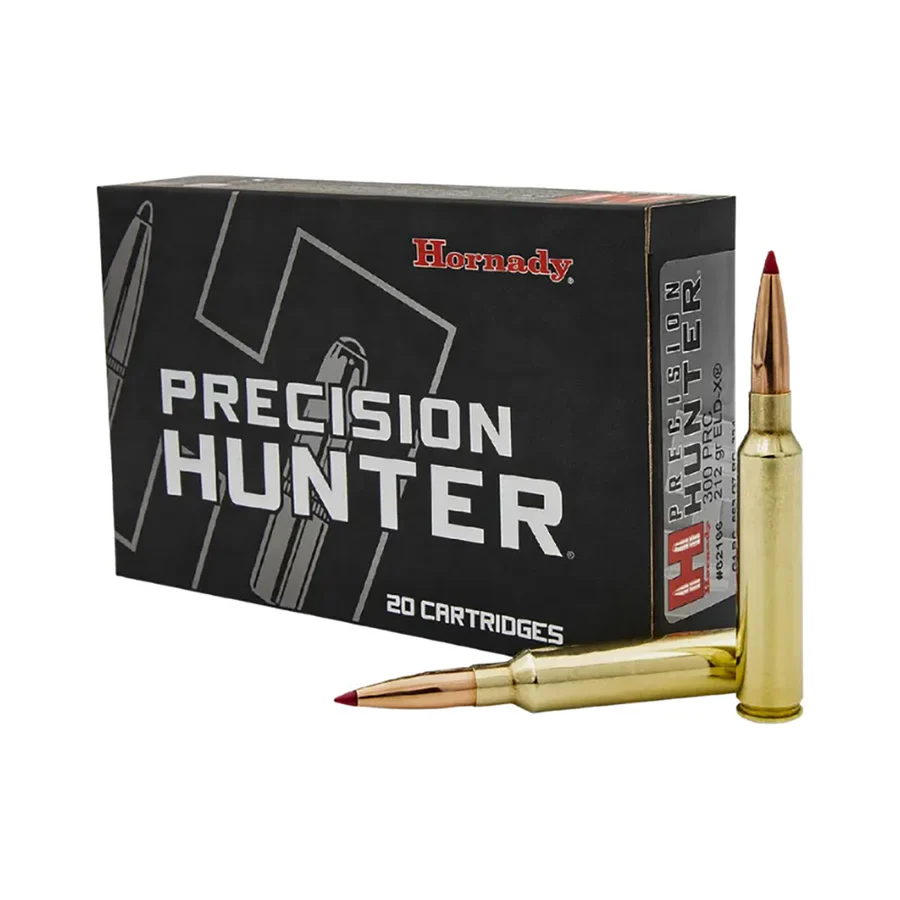
Buy .300 PRC online from Ammo Plug. We provide reliable, discreet access to .300 PRC ammunition tailored for long-range precision shooting, extreme long-range competitions, and big game hunting at extended distances. Our service features no license required, worldwide shipping, and fast 1–2 day overnight discreet delivery within the USA and Canada or 3–5 days internationally. Enjoy secure payment options including Bitcoin, bank transfer, Zelle, CashApp, and Western Union, plus every order includes a tracking number and our 30-day full refund or replacement guarantee. We prioritize complete privacy with discreet packaging, strict policies, and 100% customer satisfaction for every .300 PRC purchase.
Price range: $1,200.00 through $4,800.00Select options This product has multiple variants. The options may be chosen on the product pageBuy .300 Win Mag online
Buy .300 Win Mag online from Ammo Plug. We provide reliable access to .300 Winchester Magnum ammunition with discreet worldwide shipping and no license required. Enjoy fast overnight delivery in the USA and Canada or 3–5 days internationally, plus secure payment options including Bitcoin, bank transfer, Zelle, CashApp, and Western Union. Every order includes a tracking number, discreet packaging, and our 30-day full refund or replacement policy for complete confidence. We focus on 100% customer satisfaction and strict privacy protection throughout the entire process, making us the trusted choice for hunters and shooters seeking powerful, long-range performance ammunition delivered safely and privately.
Price range: $850.00 through $3,800.00Select options This product has multiple variants. The options may be chosen on the product pageBuy .204 Ruger online
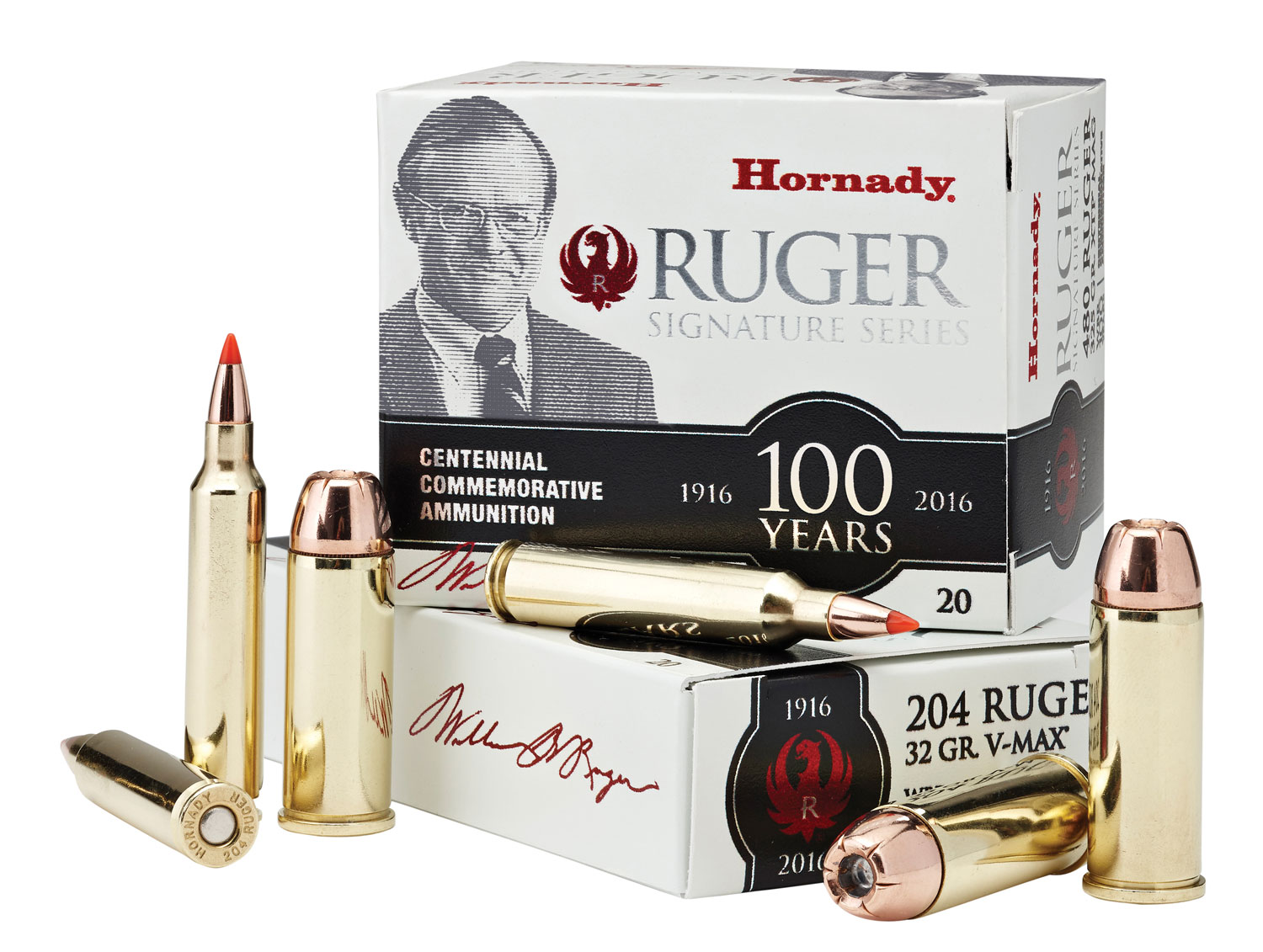
Buy .204 Ruger online from Ammo Plug. We deliver this high-velocity, flat-shooting cartridge reliably with discreet worldwide shipping, no license required, and fast 1–2 day overnight options in the USA and Canada (3–5 days internationally). Enjoy secure payments through Bitcoin, bank transfer, Zelle, CashApp, or Western Union, plus tracking numbers and our 30-day full refund or replacement guarantee. We focus on complete privacy with discreet packaging, 100% customer satisfaction, and a straightforward ordering process: browse our selection, add to cart, checkout, make manual payment, confirm, and receive fast delivery. Perfect for varmint hunting, predator control, and long-range precision with minimal recoil and exceptional accuracy.
Price range: $750.00 through $3,300.00Select options This product has multiple variants. The options may be chosen on the product page