No products in the cart.
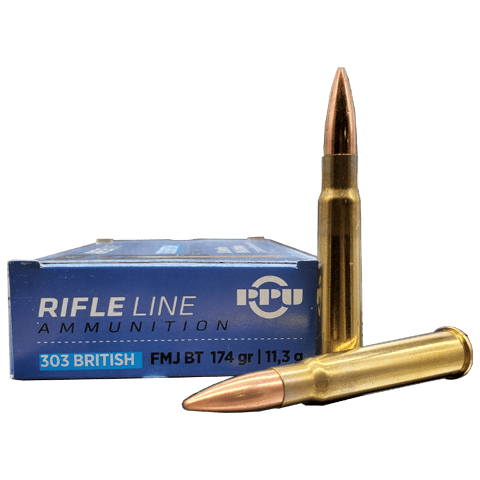
Buy .303 British online
Price range: $1,100.00 through $4,600.00
Buy .303 British online from Ammo Plug. We deliver this legendary rimmed cartridge—famous for its service in Lee-Enfield rifles across two World Wars and its enduring use in hunting and collecting—directly to your door with complete discretion. Enjoy 1–2 day overnight shipping within the USA and Canada or 3–5 days internationally, plain unmarked packaging, real-time tracking numbers, and secure payment options including Bitcoin, bank transfer, Zelle, CashApp, and Western Union. Every order comes with our 30-day full refund or replacement guarantee and strict privacy protection. We focus on reliable access to classic calibers like .303 British without licenses or complications, ensuring 100% customer satisfaction through fast, discreet, worldwide delivery.
GET 10% DISCOUNT FOR ORDERS PAID VIA BITCOIN(BTC) OR USDT: USE CODE: “CRYPTO”
150 grains (1000)Rounds
$1,100.00
150 grains (2000)Rounds
$2,000.00
150 grains (5000)Rounds
$4,300.00
174 grains (1000)Rounds
$1,200.00
174 grains (2000)Rounds
$2,100.00
174 grains (5000)Rounds
$4,500.00
180 grains (1000)Rounds
$1,300.00
180 grains (2000)Rounds
$2,300.00
180 grains (5000)Rounds
$4,600.00
WE'RE A TEAM OF DEDICATED EXPERTS THAT OPERATE WITH 100% DISCRETION FROM DISCREET PACKAGING TO DELIVERY. THROUGH OUR TRUSTED CONNECTIONS WITH MAJOR CARRIERS, YOUR PACKAGE IS FULLY PROTECTED THROUGHOUT THE SHIPPING PROCESS AND GUARANTEED TO ARRIVE SAFELY EVERY TIME. TO MAINTAIN THIS HIGH LEVEL OF SERVICE AND SECURITY, WE ONLY SHIP THE MINIMUM ORDER QUANTITIES LISTED ABOVE.
Description
Where to buy .303 British Online
We make it simple and secure to purchase .303 British ammunition through our dedicated online platform at Ammo Plug.
- We specialize in hard-to-find and classic calibers like the .303 British, ensuring consistent stock for collectors, hunters, and shooters who value this legendary cartridge from the Lee-Metford and Lee-Enfield era.
- Our site features a user-friendly browsing experience where you can explore available .303 British variants, from modern soft-point hunting loads to full metal jacket options suitable for target practice or historical reenactments.
- We prioritize discretion at every step, using plain packaging with no external markings that reveal the contents, protecting your privacy during delivery.
- We ship worldwide, reaching customers in the USA, Canada, and international locations with reliable carriers that provide end-to-end tracking numbers for peace of mind.
- Our secure checkout supports flexible payments such as Bitcoin for anonymity, bank transfer for direct transactions, Zelle and CashApp for quick transfers, and Western Union for added convenience.
- We stand behind every order with a 30-day full refund or replacement policy, allowing returns if the ammunition does not meet your expectations upon arrival.
- We focus on 100% customer satisfaction by offering responsive support and clear policies, making us a trusted choice for those seeking .303 British without complications.
How to order .303 British Online
Ordering .303 British from us follows a straightforward, secure process designed for ease and privacy.
- Browse our selection of .303 British ammunition listings, where we detail bullet types, weights, and intended uses to help you choose the right option for hunting, target shooting, or collection.
- Add your chosen .303 British products to the cart, with the ability to adjust quantities as needed before proceeding.
- Proceed to checkout and enter your shipping information securely, knowing we handle all data with strict privacy standards.
- Select your preferred manual payment method from Bitcoin, bank transfer, Zelle, CashApp, or Western Union, as we do not accept credit cards to maintain enhanced security.
- Complete the payment and await our confirmation, which we provide promptly once funds are verified.
- Receive your order with discreet overnight or expedited delivery, including a tracking number so you can monitor progress from our facility to your door.
- Inspect your .303 British ammunition upon arrival and contact us within 30 days if any issues arise for a full refund or replacement.
Why choose Ammo Plug
We stand out as the most reliable online facilitator for ammunition like .303 British by focusing on privacy, speed, and customer trust.
- We offer discreet packaging and delivery that ensures no one knows the contents except you, ideal for those who value complete confidentiality.
- Our worldwide shipping covers the USA and Canada with 1-2 day overnight options, while international deliveries arrive in 3-5 days, balancing speed with reliability.
- We accept versatile payment methods including Bitcoin for privacy-focused buyers, bank transfer, Zelle, CashApp, and Western Union, providing flexibility without credit card requirements.
- Every order includes a tracking number from the moment it ships, allowing you to follow your .303 British ammunition in real time.
- We back our service with a 30-day full refund or replacement policy, giving you confidence that your purchase is protected.
- We maintain strict privacy policies to safeguard your personal and order information at every stage of the process.
- We aim for 100% customer satisfaction through clear communication, fast processing, and dedication to serving enthusiasts of classic calibers like .303 British.
Shipping Policy
We handle shipping for .303 British with speed, discretion, and reliability to meet your needs.
- We provide 1 to 2 day overnight discreet delivery within the USA and Canada, ensuring fast arrival for urgent or time-sensitive orders.
- International shipments typically arrive in 3 to 5 days, using trusted carriers that prioritize secure and efficient transit.
- All packages feature plain, unmarked discreet packaging with no indications of contents to protect your privacy fully.
- Every shipment includes a real-time tracking number sent upon dispatch, so you can monitor delivery progress easily.
- We work with reliable logistics partners to minimize delays and ensure safe handling of ammunition during transit.
- Our policy emphasizes secure delivery methods that comply with applicable regulations while maintaining speed and discretion.
- We offer support for any shipping-related questions to guarantee a smooth experience from order to receipt.
Product specification table
| Specification | Details |
|---|---|
| Caliber | .303 British (also known as 7.7×56mmR) |
| Case Type | Rimmed, tapered bottleneck centerfire |
| Bullet Diameter | 0.311–0.312 inches (measured to lands) |
| Common Bullet Weights | 150 grains, 174 grains (military standard), 180 grains |
| Case Length | 2.222 inches (maximum) |
| Overall Cartridge Length | Up to 3.075 inches (depending on bullet type) |
| Primer Type | Large rifle (Boxer or Berdan in historical loads) |
| Historical Military Load | 174-grain pointed bullet (Mk VII) at approximately 2,440 fps |
| Modern Hunting Loads | 150-grain soft point at 2,685–2,770 fps; 180-grain at 2,460–2,570 fps |
| Maximum Pressure (SAAMI) | 45,000 CUP / approximately 49,000 PSI |
| Primary Historical Use | British and Commonwealth military rifles and machine guns (1889–1950s) |
| Common Modern Uses | Hunting medium to large game, target shooting, historical reenactment |
| Popular Rifles | Lee-Enfield series (SMLE Mk III), Lee-Metford, Winchester Model 1895 |
Product comparison table
| Feature / Cartridge | .303 British | .308 Winchester | 30-06 Springfield |
|---|---|---|---|
| Case Type | Rimmed | Rimless | Rimless |
| Bullet Diameter | 0.311–0.312″ | 0.308″ | 0.308″ |
| Typical Bullet Weight | 150–180 grains | 150–180 grains | 150–180 grains |
| Muzzle Velocity (150gr) | ~2,685–2,770 fps | ~2,800 fps | ~2,900 fps |
| Energy at 300 yards | High retention for hunting | Slightly higher | Highest among the three |
| Primary Historical Role | British military (1889–1950s) | NATO standard post-WWII | U.S. military (1906–1950s) |
| Recoil Level | Moderate | Moderate | Higher |
| Availability Today | Good for surplus/collectors | Very high | Very high |
| Best For | Classic rifles, hunting | Modern rifles, precision | Long-range hunting |
Buy .303 British online
The .303 British is a historic military cartridge still popular among collectors and hunters for its reliable performance in bolt-action rifles. Shooters who buy 303 British online often look for other full-power classic and modern rifle calibers. A recommended pairing is to buy 30-06 Springfield online for similar power with wider availability and versatile hunting applications.
Many enthusiasts also buy 308 Win online for modern accuracy and compatibility with contemporary rifles. For big game hunting, buy 300 Win Mag online offers increased velocity and energy at longer ranges.
Additional information
| Select Qty | 150 grains (1000)Rounds, 150 grains (2000)Rounds, 150 grains (5000)Rounds, 174 grains (1000)Rounds, 174 grains (2000)Rounds, 174 grains (5000)Rounds, 180 grains (1000)Rounds, 180 grains (2000)Rounds, 180 grains (5000)Rounds |
|---|
Related products
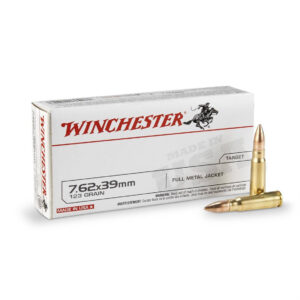
Buy 7.62x39mm online
Buy 7.62x39mm online from Ammo Plug. We deliver this versatile intermediate cartridge, ideal for AK-47, SKS, and modern AR platforms, with worldwide discreet shipping and no license required. Choose from reliable FMJ, soft point, hollow point, and subsonic loads suited for target shooting, hunting medium game, self-defense, and suppressed use. Enjoy overnight delivery in the USA and Canada (1-2 days) or 3-5 days internationally, plus secure payments via Bitcoin, bank transfer, Zelle, CashApp, or Western Union. Every order includes tracking, and we back it with 100% satisfaction guaranteed through our 30-day full refund or replacement policy. Experience fast, private, and dependable service for all your 7.62x39mm needs.
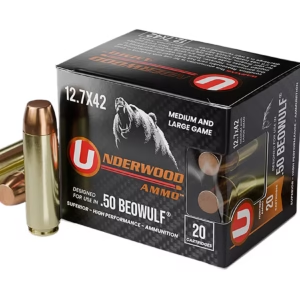
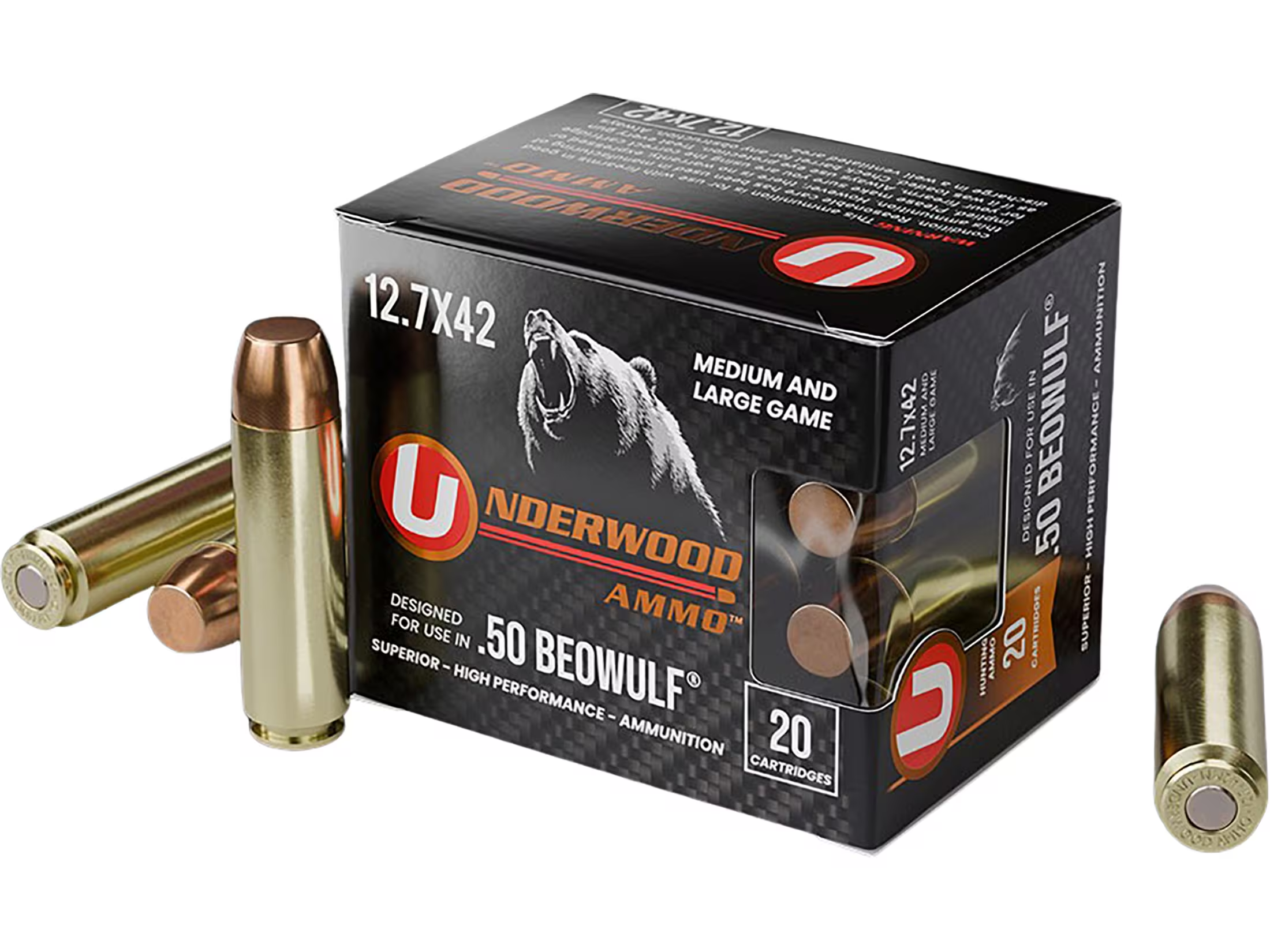
Price range: $600.00 through $2,800.00Select options This product has multiple variants. The options may be chosen on the product pageBuy .50 Beowulf online
Buy .50 Beowulf online from Ammo Plug for reliable, discreet access to this powerful big-bore AR-15 cartridge. We offer .50 Beowulf (12.7x42mmRB) ammunition designed for superior stopping power, deep penetration, and versatility in hunting, home defense, and barrier defeat scenarios. Enjoy discreet worldwide shipping with overnight delivery in the USA and Canada, plus 3–5 days internationally. We accept Bitcoin, bank transfer, Zelle, CashApp, and Western Union—no credit cards required. Every order includes a tracking number and our 30-day full refund or replacement policy. We guarantee 100% customer satisfaction with privacy-focused packaging and dedicated support for a seamless experience.
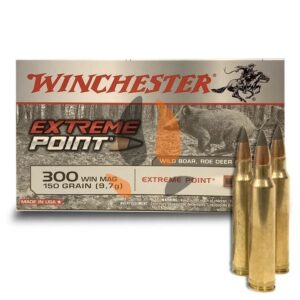
Price range: $1,300.00 through $4,800.00Select options This product has multiple variants. The options may be chosen on the product pageBuy .300 Win Mag online
Buy .300 Win Mag online from Ammo Plug. We provide reliable access to .300 Winchester Magnum ammunition with discreet worldwide shipping and no license required. Enjoy fast overnight delivery in the USA and Canada or 3–5 days internationally, plus secure payment options including Bitcoin, bank transfer, Zelle, CashApp, and Western Union. Every order includes a tracking number, discreet packaging, and our 30-day full refund or replacement policy for complete confidence. We focus on 100% customer satisfaction and strict privacy protection throughout the entire process, making us the trusted choice for hunters and shooters seeking powerful, long-range performance ammunition delivered safely and privately.
Price range: $850.00 through $3,800.00Select options This product has multiple variants. The options may be chosen on the product pageBuy .223 Remington online
Buy .223 Remington online from Ammo Plug. We offer reliable, discreet access to this versatile rifle cartridge, perfect for target shooting, varmint hunting, training, and precision applications. Enjoy worldwide delivery with no license required, overnight shipping in the USA and Canada (1–2 days), and international options (3–5 days). We provide full tracking, discreet packaging, and a 30-day full refund or replacement guarantee. Secure payments include Bitcoin, bank transfer, Zelle, CashApp, and Western Union. Our privacy-focused service ensures 100% customer satisfaction for every .223 Remington order.
Price range: $500.00 through $2,200.00Select options This product has multiple variants. The options may be chosen on the product page