No products in the cart.
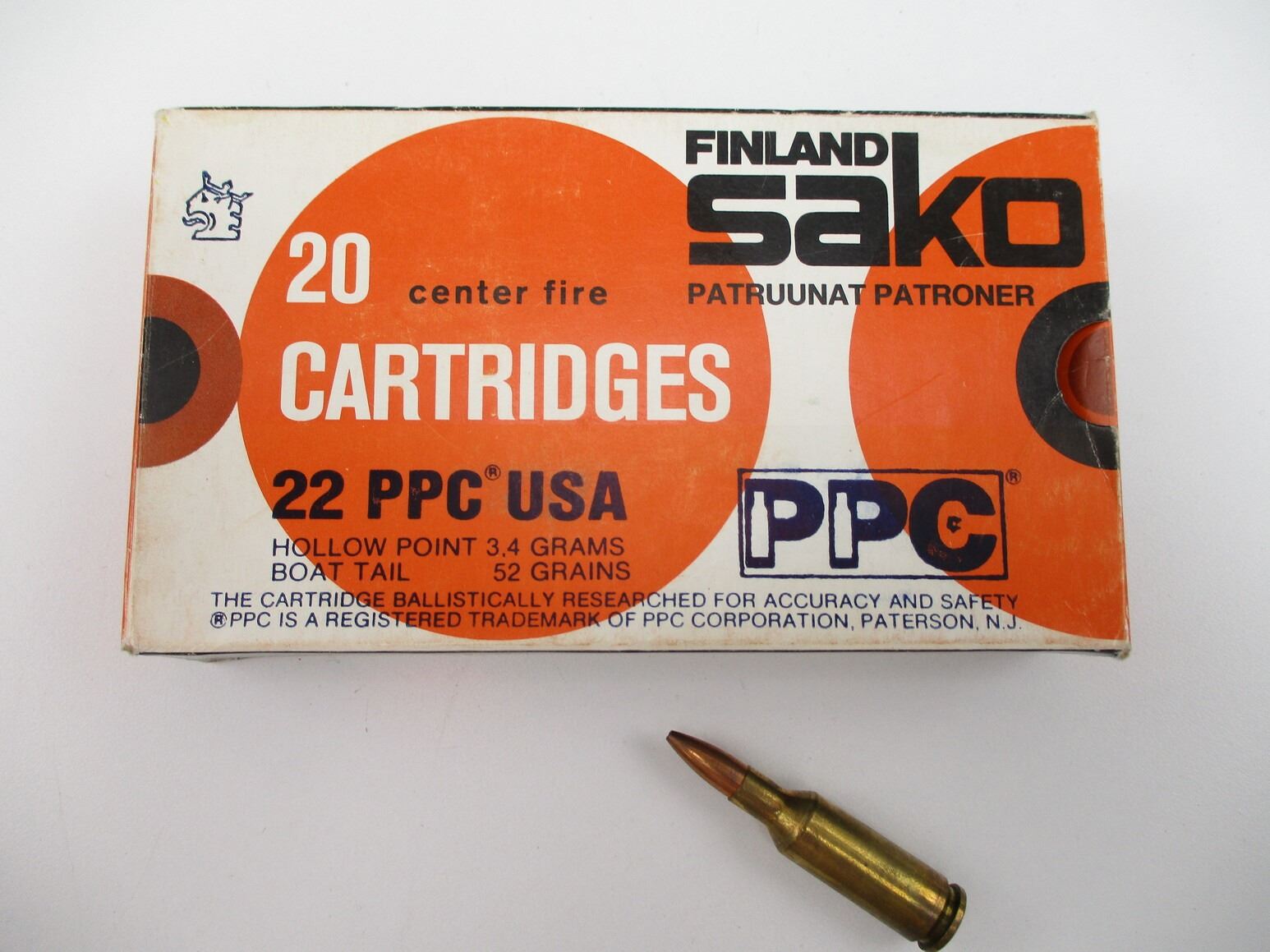
Buy .22 PPC online
Price range: $650.00 through $3,000.00
Buy .22 PPC online from Ammo Plug for reliable access to this legendary precision cartridge, renowned for outstanding benchrest accuracy, very low recoil, and excellent varmint performance. Developed in 1974 from the .220 Russian case, the .22 PPC delivers high velocities (often 3,300–3,400 fps with 50–52 grain bullets) and tight groups with minimal barrel wear. We offer discreet worldwide shipping with no license required, overnight delivery in the USA and Canada (1–2 days), international in 3–5 days, full tracking, and a 30-day refund or replacement guarantee. Pay securely via Bitcoin, bank transfer, Zelle, CashApp, or Western Union. Experience 100% customer satisfaction with every order of this specialized, high-performance .22 caliber ammunition.
GET 10% DISCOUNT FOR ORDERS PAID VIA BITCOIN(BTC) OR USDT: USE CODE: “CRYPTO”
50 grains (1000)Rounds
$650.00
50 grains (2000)Rounds
$1,200.00
50 grains (5000)Rounds
$2,800.00
52 grains (1000)Rounds
$700.00
52 grains (2000)Rounds
$1,300.00
52 grains (5000)Rounds
$2,900.00
55 grains (1000)Rounds
$800.00
55 grains (2000)Rounds
$1,400.00
55 grains (5000)Rounds
$3,000.00
WE'RE A TEAM OF DEDICATED EXPERTS THAT OPERATE WITH 100% DISCRETION FROM DISCREET PACKAGING TO DELIVERY. THROUGH OUR TRUSTED CONNECTIONS WITH MAJOR CARRIERS, YOUR PACKAGE IS FULLY PROTECTED THROUGHOUT THE SHIPPING PROCESS AND GUARANTEED TO ARRIVE SAFELY EVERY TIME. TO MAINTAIN THIS HIGH LEVEL OF SERVICE AND SECURITY, WE ONLY SHIP THE MINIMUM ORDER QUANTITIES LISTED ABOVE.
Description
Where to buy .22 PPC Online
We make it simple and secure to purchase .22 PPC ammunition through our specialized online platform at Ammo Plug.
- We offer one of the most dependable sources for .22 PPC rounds, stocking high-quality loads from trusted brass like Norma for consistent performance in precision rifles.
- Our inventory includes factory-equivalent and custom-level ammunition suited for benchrest competitors and varmint hunters seeking tight groups and reliable expansion on small to medium game.
- We prioritize availability of this specialized cartridge, which remains niche but highly regarded for outperforming some larger options like .222 or .223 Remington in accuracy at moderate ranges.
- Discreet packaging ensures your order arrives privately, protecting your privacy during delivery to any location worldwide.
- We provide full tracking numbers immediately after shipment confirmation, allowing you to monitor progress in real time for peace of mind.
- Our process supports worldwide shipping, making .22 PPC accessible even in regions where local supply is limited or unavailable.
- We focus exclusively on quality ammunition that meets the demands of shooters who value precision and consistency over mass-produced alternatives.
How to order .22 PPC Online
Ordering .22 PPC from us follows a straightforward, secure process designed for convenience and speed.
- Browse our selection of .22 PPC ammunition listings to find the bullet weights and load types that match your rifle setup and intended use, such as 50-55 grain options for optimal velocity and stability.
- Add your chosen .22 PPC products to the cart, reviewing quantities and confirming details to ensure the order fits your shooting needs.
- Proceed to checkout where we guide you through our manual payment system using supported methods like Bitcoin, bank transfer, Zelle, CashApp, or Western Union for fast and secure transactions.
- Complete payment manually as instructed, then await our confirmation which verifies receipt and prepares your order for immediate processing.
- Receive payment confirmation via email or account notification, signaling that your .22 PPC ammunition is packed and ready for discreet shipment.
- Track your package with the provided number as we arrange overnight or expedited delivery options tailored to your location.
- Enjoy discreet delivery to your door, with packaging that maintains complete anonymity throughout transit.
Why choose Ammo Plug
We stand out as the premier choice for acquiring .22 PPC ammunition due to our unwavering commitment to reliability, discretion, and customer-focused service.
- We deliver unmatched reliability as a dedicated online facilitator specializing in hard-to-find calibers like .22 PPC, ensuring consistent stock and quality you can depend on for critical shooting sessions.
- Our discreet packaging and delivery protect your privacy completely, using plain unmarked boxes and secure handling to keep your purchase confidential worldwide.
- We require no license for any orders, simplifying access to .22 PPC for enthusiasts and professionals in various regions without unnecessary barriers.
- Overnight discreet delivery within the USA and Canada gets your ammunition to you in 1 to 2 days, while international orders arrive reliably in 3 to 5 days.
- We back every purchase with a 30-day full refund or replacement policy, giving you confidence that any issue with your .22 PPC order will be resolved promptly and fairly.
- Our multiple payment options—Bitcoin, bank transfer, Zelle, CashApp, and Western Union—offer flexibility and security without relying on credit cards.
- We guarantee 100% customer satisfaction through attentive support, accurate order fulfillment, and a focus on delivering exactly what precision shooters need from .22 PPC ammunition.
Shipping Policy
We handle shipping for .22 PPC with speed, discretion, and reliability to meet the expectations of serious shooters.
- Within the USA and Canada we provide overnight delivery in 1 to 2 days, ensuring minimal wait time so you can get back to the range or field quickly.
- International deliveries typically take 3 to 5 days, with careful routing to maintain efficiency and reduce potential delays across borders.
- Every package includes a tracking number provided upon shipment, enabling you to follow your .22 PPC order from our facility to your address in real time.
- We use plain, unmarked packaging for complete discretion, avoiding any indicators of contents to safeguard your privacy during transit.
- Our policy emphasizes secure handling and insurance where applicable to protect high-value .22 PPC ammunition shipments against loss or damage.
- We prioritize customer satisfaction by confirming delivery details and addressing any transit concerns immediately upon notification.
- All orders adhere to our privacy policy, ensuring no unnecessary personal data sharing and full compliance with discreet fulfillment standards.
Product specification table
| Specification | Details |
|---|---|
| Cartridge Name | .22 PPC (also known as .22 PPC-USA or 5.7x38mm) |
| Developer | Dr. Louis Palmisano and Ferris Pindell (1974) |
| Primary Use | Benchrest shooting, varmint hunting, small game |
| Parent Case | .220 Russian (necked-down from 7.62x39mm Soviet) |
| Bullet Diameter | .224 inches (5.7 mm) |
| Neck Diameter | .246 inches (6.2 mm) |
| Shoulder Diameter | .430 inches (10.9 mm) |
| Base Diameter | .445 inches (11.3 mm) |
| Case Length | 1.505 inches (38.2 mm) trim-to; max ~1.515 inches |
| Overall Length (Max) | 1.960–2.100 inches (49.8–53.3 mm) |
| Rifling Twist (Standard) | 1-14 inches (suitable for 40-55 grain bullets; 1-12 possible for heavier) |
| Primer Type | Small Rifle |
| Typical Bullet Weights | 40–55 grains (50-52 grain common for benchrest/match loads) |
| Typical Muzzle Velocity | 3,200–3,500+ fps (e.g., 52gr at 3,340–3,400 fps; 55gr at 3,200–3,300 fps) |
| Case Material | High-quality brass (Norma, Sako common) |
| Powder Burn Characteristics | Efficient, fast-burning powders for low recoil and high consistency |
Product comparison table
| Feature | .22 PPC | .223 Remington | .22-250 Remington |
|---|---|---|---|
| Case Length | 1.505 inches (short, efficient) | 1.760 inches | 1.912 inches (longer) |
| Typical Velocity (52-55gr) | 3,300–3,500 fps | 3,000–3,200 fps | 3,600–3,800+ fps |
| Primary Strength | Exceptional benchrest accuracy | Versatility and availability | High velocity for longer range |
| Recoil Level | Very low | Low | Moderate |
| Barrel Life (heavy use) | Excellent (less throat erosion) | Good | Moderate (higher wear) |
| Best For | Precision shooting, varmint <300yd | General use, AR platforms | Long-range varmint |
| Case Efficiency | Highly optimized | Good | High capacity |
Buy .22 PPC online
The .22 PPC is a classic benchrest caliber prized for its exceptional accuracy and low recoil, making it ideal for competitive target shooting. Shooters who buy 22 PPC online often look for other precision match calibers to round out their collections. A strong complementary choice is to buy 6mm PPC online, which shares similar benchrest heritage with slightly more power for versatile applications.
Many enthusiasts also buy 6mm Dasher online to experience modern improvements on the PPC case design while maintaining outstanding accuracy. For those wanting to step into longer-range precision work, buy 6.5 Creedmoor match online offers excellent ballistics and wind resistance.
Additional information
| Select Qty | 50 grains (1000)Rounds, 50 grains (2000)Rounds, 50 grains (5000)Rounds, 52 grains (1000)Rounds, 52 grains (2000)Rounds, 52 grains (5000)Rounds, 55 grains (1000)Rounds, 55 grains (2000)Rounds, 55 grains (5000)Rounds |
|---|
Related products
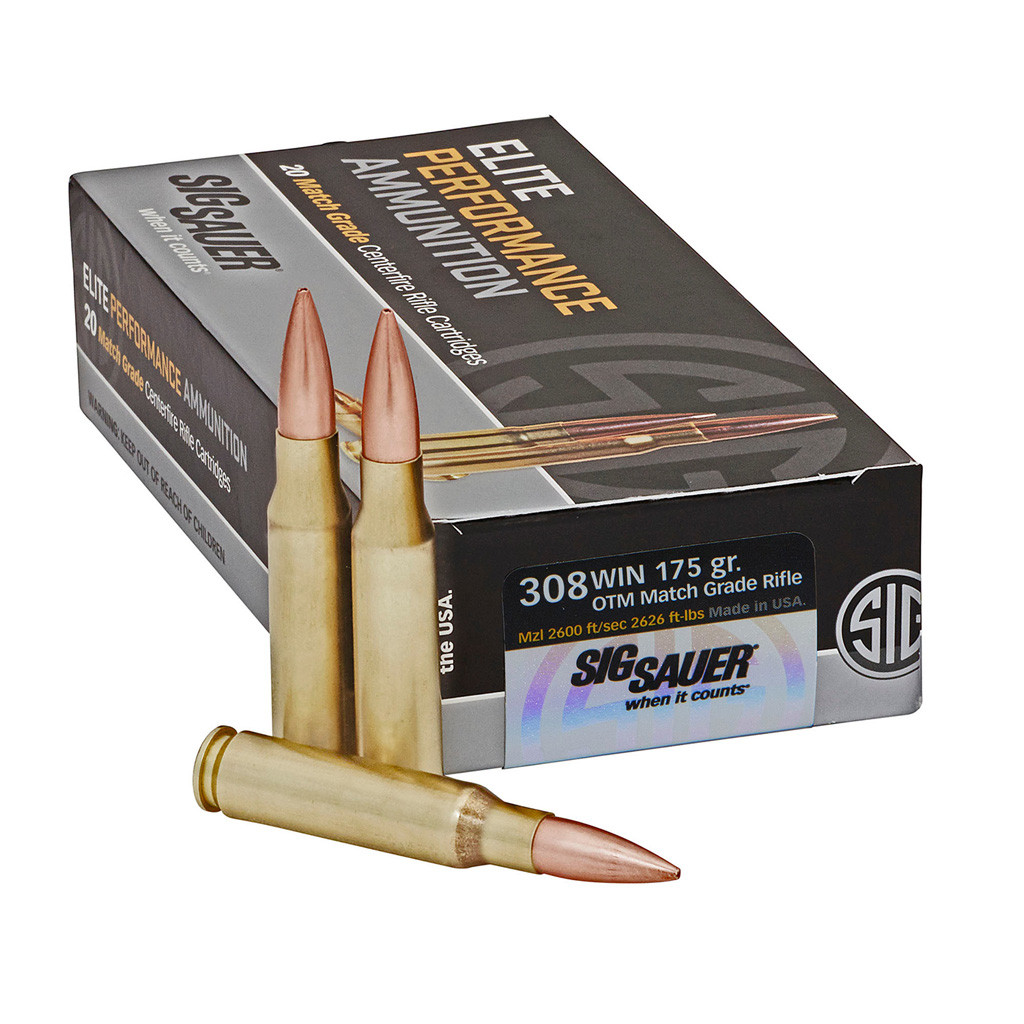
Buy .308 Match Grade online
Buy .308 Match Grade online from Ammo Plug for premium precision ammunition engineered for exceptional accuracy in target shooting, long-range practice, and competitive events. We deliver discreetly worldwide with no license required, using fast 1–2 day overnight shipping within the USA and Canada or 3–5 days internationally. Secure payments via Bitcoin, bank transfer, Zelle, CashApp, or Western Union are accepted, with every order including a tracking number and our 30-day full refund or replacement guarantee. Our focus on privacy, reliable delivery, and 100% customer satisfaction makes us the trusted choice for accessing high-quality .308 Match Grade without complications.
Price range: $750.00 through $3,300.00Select options This product has multiple variants. The options may be chosen on the product pageBuy 6mm Dasher online
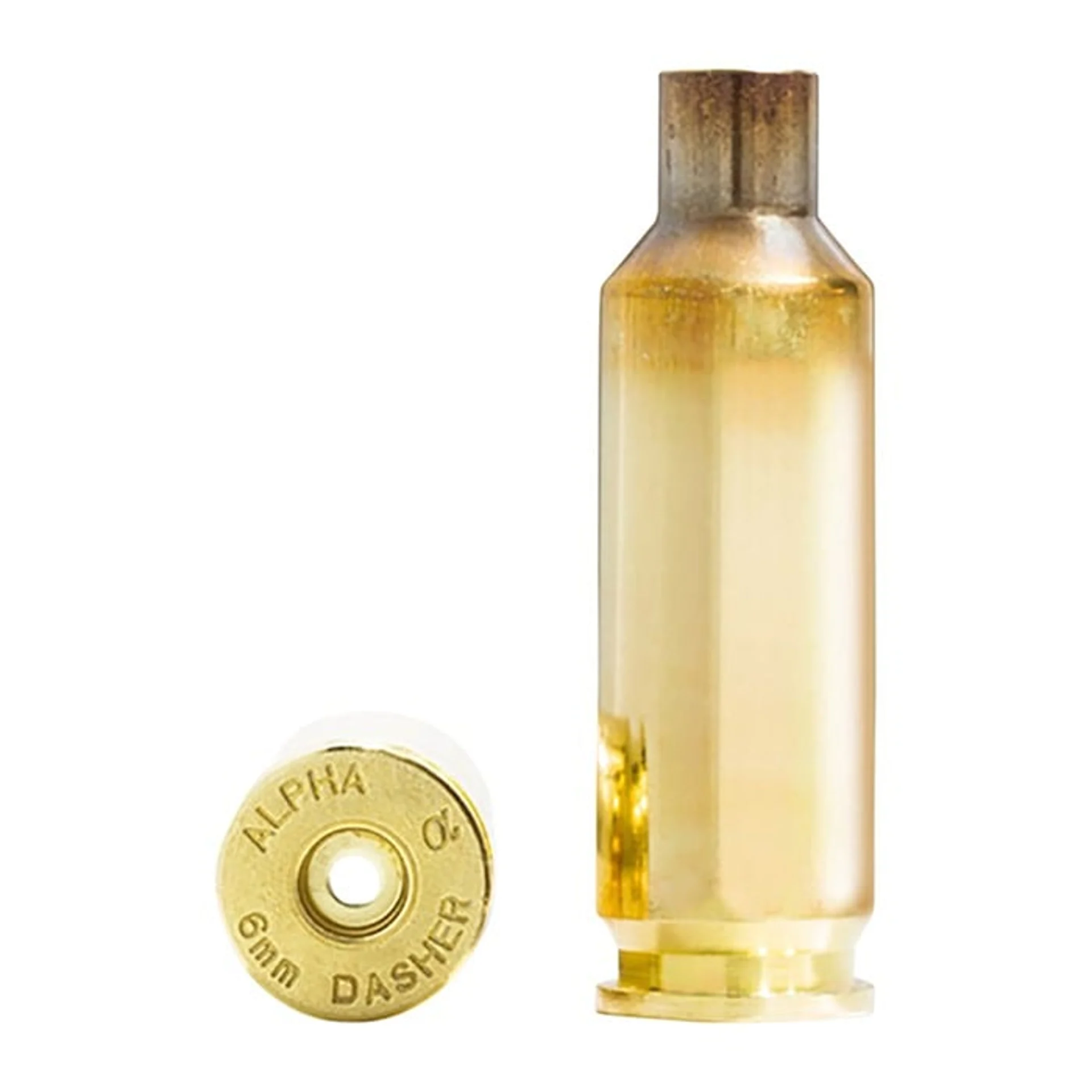
Buy 6mm Dasher online from Ammo Plug. We deliver this top precision cartridge, favored for its outstanding accuracy, low recoil, and flat-shooting ballistics with high-BC 105–110 grain bullets reaching 2,800–3,000 fps. Ideal for long-range PRS competitions, benchrest, and varmint hunting, 6mm Dasher offers excellent wind resistance and consistent performance out to 1200 yards. We provide discreet worldwide shipping, no license required, fast 1–2 day overnight delivery in the USA and Canada, and 3–5 days internationally. Secure payments via Bitcoin, bank transfer, Zelle, CashApp, or Western Union include tracking and our 30-day full refund or replacement guarantee for 100% customer satisfaction.
Price range: $850.00 through $3,800.00Select options This product has multiple variants. The options may be chosen on the product pageBuy .284 Winchester online
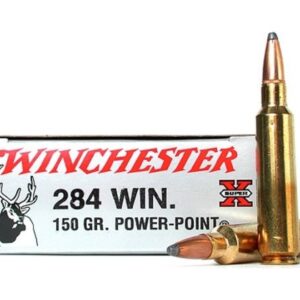
Buy .284 Winchester online from Ammo Plug. We deliver reliable, discreet access to this powerful short-action 7mm cartridge worldwide with no license required. Enjoy fast 1–2 day overnight shipping in the USA and Canada, or 3–5 days internationally, using plain packaging and full tracking. Choose secure payments via Bitcoin, bank transfer, Zelle, CashApp, or Western Union. Every order includes a 30-day full refund or replacement guarantee and strict privacy protection. From hunting medium to large game with flat-shooting 140–160 grain loads to long-range precision, the .284 Winchester offers exceptional efficiency and performance in compact rifles. Shop confidently with 100% customer satisfaction focus at Ammo Plug.
Price range: $850.00 through $3,800.00Select options This product has multiple variants. The options may be chosen on the product pageBuy .223 Rem Match online
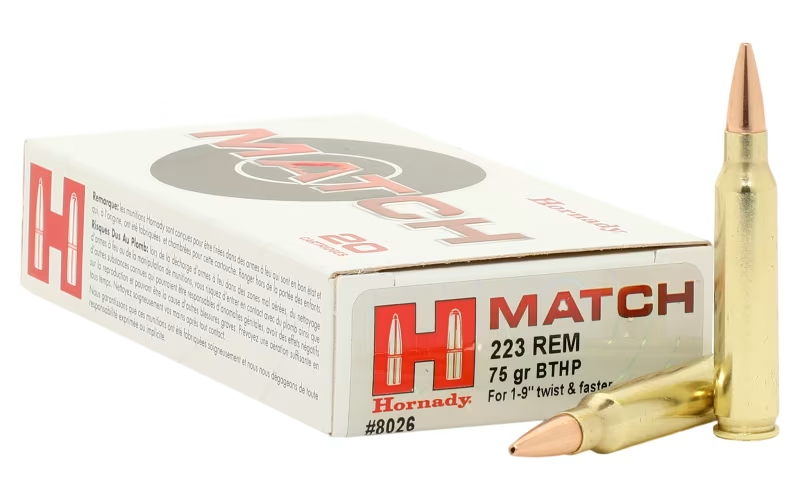
Buy .223 Rem Match online from Ammo Plug. We offer premium match-grade .223 Remington ammunition engineered for exceptional precision, tight groups, and reliable long-range performance in target shooting and competition. Featuring high-BC boat-tail hollow point or open tip match bullets, consistent velocities, match-grade primers, and reloadable brass cases, our .223 Rem Match delivers sub-MOA accuracy and wind-resistant ballistics. Enjoy discreet worldwide shipping with overnight delivery in the USA and Canada (1–2 days), international options (3–5 days), secure payments via Bitcoin, bank transfer, Zelle, CashApp, or Western Union, real-time tracking, and our 30-day full refund or replacement guarantee for complete satisfaction.
Price range: $700.00 through $3,200.00Select options This product has multiple variants. The options may be chosen on the product page