$1,000.00–$4,200.00Price range: $1,000.00 through $4,200.00
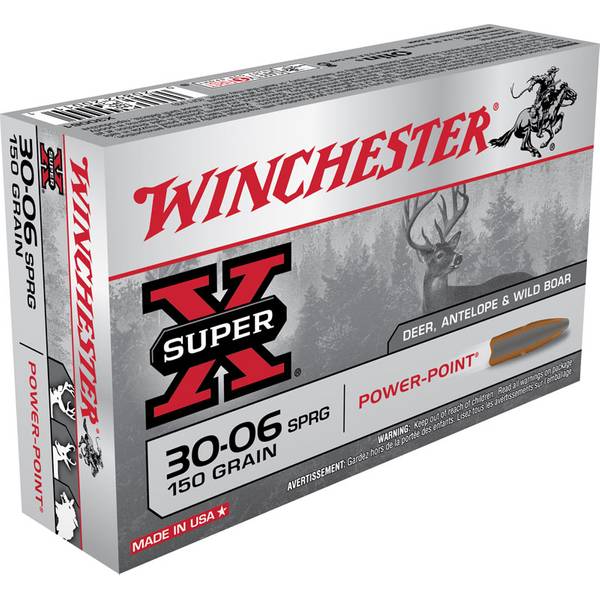
Buy .30-06 Springfield online from Ammo Plug. We deliver this timeless, versatile rifle cartridge known for its exceptional power, accuracy, and adaptability in hunting medium to large game like deer, elk, moose, and bear. With bullet weights from 110 to 220 grains, it offers flat trajectories for longer shots, deep penetration for tough animals, and reliable performance in any weather. Our discreet worldwide shipping includes overnight options in the USA and Canada, no license required, multiple secure payments like Bitcoin and Zelle, tracking numbers on every order, and a 30-day full refund or replacement guarantee for complete satisfaction.
GET 10% DISCOUNT FOR ORDERS PAID VIA BITCOIN(BTC) OR USDT: USE CODE: “CRYPTO”
150 grains (1000)Rounds
$1,000.00
150 grains (2000)Rounds
$1,800.00
150 grains (5000)Rounds
$4,000.00
165 grains (1000)Rounds
$1,100.00
165 grains (2000)Rounds
$1,900.00
165 grains (5000)Rounds
$4,100.00
180 grains (1000)Rounds
$1,200.00
180 grains (2000)Rounds
$2,000.00
180 grains (5000)Rounds
$4,200.00
WE'RE A TEAM OF DEDICATED EXPERTS THAT OPERATE WITH 100% DISCRETION FROM DISCREET PACKAGING TO DELIVERY. THROUGH OUR TRUSTED CONNECTIONS WITH MAJOR CARRIERS, YOUR PACKAGE IS FULLY PROTECTED THROUGHOUT THE SHIPPING PROCESS AND GUARANTEED TO ARRIVE SAFELY EVERY TIME. TO MAINTAIN THIS HIGH LEVEL OF SERVICE AND SECURITY, WE ONLY SHIP THE MINIMUM ORDER QUANTITIES LISTED ABOVE.
We make it simple and secure to get .30-06 Springfield ammunition through our online platform at Ammo Plug.
We offer a wide variety of .30-06 Springfield loads suitable for different needs, from lighter high-velocity options to heavier projectiles for deeper penetration on tough game.
Our stock includes factory ammunition from trusted manufacturers, ensuring consistent performance and reliability in various bullet weights ranging typically from 150 to 220 grains.
We prioritize discreet packaging to protect your privacy during shipping, with no markings that reveal the contents.
Worldwide delivery options allow customers from the USA, Canada, and international locations to order without hassle.
We handle all orders with tracking numbers provided upon shipment for full visibility of your package status.
Our process requires no license or special permits, making it accessible for legal adult purchasers.
We focus on 100% customer satisfaction with responsive support if any issues arise during your purchase.
Multiple secure payment methods including Bitcoin, bank transfer, Zelle, CashApp, and Western Union give you flexible choices.
How to order .30-06 Springfield Online
Ordering .30-06 Springfield from us follows a straightforward, secure process designed for ease and discretion.
Browse our selection of .30-06 Springfield ammunition listings to find the load that matches your rifle and intended use.
Add your chosen products to the cart, reviewing quantities and details before proceeding.
Proceed to checkout where you enter basic shipping information securely.
Select your preferred manual payment method from available options like Bitcoin or Zelle.
Complete payment and await our confirmation, which we send promptly after verification.
Receive your order with discreet packaging and a tracking number for monitoring delivery progress.
Enjoy fast delivery timelines, with overnight options available within the USA and Canada.
Why choose Ammo Plug
We stand out as the most reliable online facilitator for ammunition like .30-06 Springfield by focusing on privacy, speed, and trust.
We deliver worldwide with complete discretion, ensuring your package arrives without drawing attention.
Our overnight delivery service within the USA and Canada gets your .30-06 Springfield to you in 1 to 2 days for urgent needs.
International shipments typically arrive in 3 to 5 days, with reliable carriers handling the logistics.
We offer a 30-day full refund or replacement policy to guarantee your complete satisfaction with every order.
No license is required for purchase, simplifying the process for eligible customers.
We accept flexible payments via Bitcoin, bank transfer, Zelle, CashApp, and Western Union to suit your preferences.
Our commitment to 100% customer satisfaction includes dedicated support for any questions or concerns.
We provide tracking numbers on every shipment so you always know the status of your .30-06 Springfield order.
Shipping Policy
We handle shipping of .30-06 Springfield with speed, discretion, and reliability to meet your expectations.
Within the USA and Canada, we provide overnight discreet delivery in 1 to 2 days for fast access.
International deliveries generally take 3 to 5 days, depending on your location and customs processing.
All packages use plain, unmarked discreet packaging to maintain your privacy.
Every order includes a tracking number for real-time monitoring of shipment progress.
We work with trusted carriers to ensure secure and timely arrival of your ammunition.
Our policy covers full support if any delivery issues occur, with options for resolution.
We aim for 100% customer satisfaction by prioritizing careful handling and prompt shipping.
150 gr, 165 gr, 180 gr, 200 gr, 220 gr (range from 110-220 gr available)
Common Muzzle Velocity
2,700-2,910 fps (depending on load, e.g., 150 gr at ~2,910 fps)
Typical Muzzle Energy
2,800-3,000 ft-lbf (e.g., 180 gr at ~2,913 ft-lbf)
Case Capacity
Approximately 68 grains H2O
Rifling Twist Rate
Standard 1 in 10 inches
Maximum Pressure (CUP)
Up to 50,000 CUP
Historical Adoption Year
1906 by the United States Army
Common Uses
Hunting medium to large game, historical military service
Product comparison table
Feature
.30-06 Springfield
.308 Winchester
.300 Win Mag
Case Length
2.494 inches
2.015 inches
2.620 inches
Typical Velocity (180 gr)
~2,700 fps
~2,600 fps
~3,000+ fps
Muzzle Energy (approx.)
~2,900 ft-lbf
~2,600 ft-lbf
~3,500+ ft-lbf
Recoil Level
Moderate
Lower
Higher
Effective Hunting Range
Up to 400+ yards
Up to 300-400 yards
500+ yards
Bullet Weight Versatility
Excellent (110-220 gr)
Good (110-180 gr optimal)
Good for heavier bullets
Common Game Applications
Deer, elk, bear
Deer, similar medium game
Larger game at longer ranges
Buy .30-06 Springfield online
We provide a comprehensive overview of the .30-06 Springfield, a legendary cartridge introduced in 1906 that served as the U.S. military’s primary rifle round for nearly 50 years and remains a top choice for hunters today.
Developed by the U.S. Army in 1906 as an improvement over the .30-03 Springfield, shortening the neck slightly to accommodate a lighter, pointed 150-grain spitzer bullet for better ballistics and range.
Replaced older cartridges like the .30-40 Krag and .30-03 after lessons from conflicts showing the need for higher velocity and flatter trajectories against European designs.
Adopted for the M1903 Springfield rifle, with modifications to chambers and barrels to handle the updated cartridge safely and effectively.
Served extensively in World War I through rifles like the M1903 Springfield and M1917 Enfield, proving reliable in trench warfare and long-range engagements.
Continued as the main U.S. service cartridge in World War II via the M1 Garand semi-automatic rifle, powering infantry and machine guns until replaced by the 7.62×51mm NATO in 1957.
Transitioned post-war to civilian use, becoming one of the most popular hunting cartridges worldwide due to its versatility, power, and wide ammunition availability from major manufacturers.
Inspired numerous offspring cartridges like the .270 Winchester, .25-06 Remington, and .338-06 A-Square by necking up or down its versatile case design.
Celebrated for over a century as “America’s cartridge” for balancing power, accuracy, manageable recoil, and effectiveness across diverse applications.
We offer a range of .30-06 Springfield ammunition with bullet weights tailored to specific uses, from varmint control to heavy game hunting.
Lighter bullets around 110-130 grains provide high velocity and flat trajectories ideal for varmint hunting or longer-range shots with reduced recoil.
150-grain options deliver excellent balance of speed and energy, making them a popular all-around choice for deer and medium game at various distances.
165-168 grain bullets offer enhanced sectional density for deeper penetration and better wind resistance, suitable for larger game or extended ranges.
180-grain loads provide strong terminal performance with controlled expansion, widely used for elk, moose, and bear hunting in standard factory ammunition.
Heavier 200-grain projectiles increase momentum and penetration for thick-skinned or large animals, often chosen for close-range power.
220-grain bullets maximize stopping power and deep penetration, historically used in military loads and still available for tough game or brush hunting.
Versatile factory selections from brands like Federal, Hornady, and Nosler cover weights from 110 to 220 grains to match any rifle setup or hunting need.
Modern loads include specialized designs like bonded or monolithic bullets across weights for improved performance on game with minimal meat damage.
We ensure our .30-06 Springfield selections deliver consistent muzzle velocities that provide reliable performance across different bullet weights and applications.
Lighter 150-grain bullets often achieve velocities around 2,900-3,000 fps from a 24-inch barrel, offering flat trajectories for medium to long-range shooting.
165-168 grain loads typically reach 2,800-2,900 fps, balancing speed with higher ballistic coefficients for better downrange energy retention.
Standard 180-grain factory ammunition commonly exits at 2,700-2,800 fps, providing excellent power for big game without excessive recoil.
Heavier 200-grain bullets usually run at 2,500-2,600 fps, prioritizing momentum and penetration over maximum speed.
220-grain loads generally achieve 2,400-2,500 fps, delivering maximum stopping power for close-range encounters with large or tough animals.
High-performance modern loads with advanced powders can push lighter bullets beyond 3,000 fps for flatter shooting in hunting scenarios.
Velocities vary slightly by barrel length, powder type, and specific load, but factory data consistently supports effective ranges up to 400+ yards.
Consistent velocities across loads ensure predictable ballistics, making the .30-06 easy to sight in and use in diverse field conditions.
We highlight the impressive muzzle energy of .30-06 Springfield ammunition, which contributes to its reputation for delivering reliable stopping power on game.
Typical factory loads generate 2,800-3,000 ft-lbf at the muzzle, providing ample energy for clean, ethical harvests on medium to large animals.
150-grain high-velocity options often produce around 2,800-2,900 ft-lbf, combining speed with sufficient impact for deer and similar game.
165-180 grain bullets commonly deliver 2,800-3,000 ft-lbf, offering excellent terminal performance with deep penetration and controlled expansion.
Heavier 200-220 grain loads can reach 2,900-3,000+ ft-lbf, maximizing energy transfer for larger or tougher game at closer ranges.
Energy levels support effective performance out to 300-400 yards, where retained energy remains high enough for humane kills.
Compared to similar cartridges, the .30-06 maintains strong energy across a wide bullet weight range due to its efficient case capacity.
Modern premium loads optimize energy delivery through bullet design, ensuring reliable expansion and wound channels on impact.
This energy output makes the .30-06 versatile for North American big game while keeping recoil manageable in standard rifles.
We recommend .30-06 Springfield for a broad spectrum of game due to its proven power, versatility, and ethical performance across various bullet selections.
Ideal for whitetail and mule deer with lighter to medium bullets for quick, clean kills at typical hunting distances.
Excellent for elk and moose using 165-200 grain loads that provide deep penetration and sufficient energy for large-bodied animals.
Well-suited for black bear and similar predators with controlled-expansion bullets that ensure reliable terminal performance.
Capable on larger game like brown bear or caribou with heavier 200-220 grain projectiles for added stopping power in close encounters.
Effective for plains game in international hunts, including antelope, zebra, and hartebeest, with flat-shooting loads for longer ranges.
Handles medium to large North American game confidently up to 400 yards with appropriate bullet selection and shot placement.
Versatile enough for smaller big game like pronghorn or feral hogs with lighter bullets, while scaling up for tougher species.
Widely regarded as one of the most capable all-around big-game cartridges, ethically taking most North American mammals with proper loads.
We compare the .30-06 Springfield and .308 Winchester directly, showing the .30-06 offers a slight edge in velocity, energy, and range while both remain highly effective for hunting with similar bullet diameters.
The .30-06 has a longer case (2.494 inches vs. 2.015 inches for .308), allowing about 20% more case capacity for more powder and typically 100-125 fps higher muzzle velocity with the same bullet weight.
For a 180-grain bullet, the .30-06 achieves around 2,700-2,800 fps compared to the .308’s 2,600-2,675 fps, resulting in flatter trajectory and better energy retention at longer distances.
Muzzle energy for the .30-06 often reaches 2,900 ft-lbf with 180-grain loads, while the .308 delivers about 2,600 ft-lbf, giving the .30-06 a noticeable advantage in stopping power on larger game.
The .30-06 handles heavier bullets (up to 220 grains) more effectively with better stability and penetration, whereas the .308 excels with lighter to mid-weight bullets (110-180 grains) but loses efficiency with very heavy projectiles.
At practical hunting ranges up to 400 yards, the .30-06 provides about 50 yards more effective reach with similar drop and wind drift performance when using comparable high-BC bullets.
Recoil in the .30-06 is about 14% higher than the .308 in an 8-pound rifle due to increased powder charge and velocity, making the .308 feel milder for extended shooting sessions.
Both cartridges use .308-inch diameter bullets and share excellent accuracy potential, but the .30-06’s extra power suits it better for big game like elk or moose at extended ranges.
The .308 benefits from short-action rifles for lighter weight and potentially faster follow-up shots, while the .30-06 requires long-action platforms but delivers superior ballistic performance overall.
We confirm that the .30-06 Springfield performs well for long-range applications, especially in hunting out to 400-600 yards and even beyond with proper setup and practice.
With high-BC bullets like 168-180 grain designs, the .30-06 maintains supersonic velocity and sufficient energy (around 1,400-1,500 ft-lbf) past 500-600 yards for ethical big-game harvests.
Hunters commonly take game like elk or deer at 400-500 yards confidently, with many reporting successful shots near 600 yards using modern loads and accurate rifles.
In target shooting and historical military use, the .30-06 has been effective to 1,000 yards, with some shooters extending it further using heavy, high-BC bullets and long barrels.
Wind drift remains manageable out to 500 yards with proper bullet selection, though it requires good doping skills compared to flatter-shooting modern cartridges.
Barrel lengths of 24 inches or more help maximize velocity, pushing 180-grain bullets to 2,700+ fps for better downrange performance and reduced drop.
For extreme ranges beyond 800 yards, specialized loads with very high-BC projectiles (like 200-215 grain ELD-M or hybrids) allow consistent hits, though magnums may edge it out.
Practical ethical hunting limits for most shooters fall at 400-500 yards, where the .30-06 delivers ample energy and accuracy without excessive drop or wind issues.
Modern powders and bullets have extended its capabilities, making it a reliable choice for long-range hunting when paired with quality optics and shooter proficiency.
We offer a selection of .30-06 Springfield ammunition compatible with a wide array of popular rifles, from classic military designs to modern hunting models.
The iconic M1 Garand semi-automatic rifle, used extensively in WWII and Korea, remains a favorite for collectors and service rifle competitions.
The M1903 Springfield bolt-action rifle, the original military platform for the cartridge, is still sought after for historical shooting and hunting.
Winchester Model 70 bolt-action rifles, a staple since the 1930s, provide legendary accuracy and reliability in various configurations for big-game hunting.
Remington Model 700 bolt-action rifles, one of the most popular modern platforms, deliver excellent performance with customizable options for hunters.
Savage Axis and Axis II series offer affordable, accurate bolt-action rifles ideal for entry-level or budget-conscious shooters.
Tikka T3x Lite and other Tikka models feature smooth actions, lightweight designs, and sub-MOA accuracy for versatile field use.
Browning A-Bolt and BLR (lever-action) rifles provide reliable options with composite or walnut stocks for traditional or modern preferences.
Ruger American and other Ruger bolt-actions combine value, durability, and precision for everyday hunting applications.
We support reloading enthusiasts with .30-06 Springfield ammunition that pairs well with handloads, offering exceptional versatility across a broad range of components.
The .30-06 case design supports easy reloading with strong brass life when properly trimmed and annealed, allowing multiple firings before replacement.
It accommodates a wide powder selection from fast-burning (like IMR 3031 for light bullets) to slow-burning (like H4831 or Reloder 22 for heavy projectiles) for tailored performance.
Bullet weights from 110 to 220 grains work effectively, enabling customization for varmint, deer, elk, or long-range target applications.
Case capacity of around 68 grains of water provides flexibility without excessive compression in most loads, simplifying development.
Standard large rifle primers and dies are widely available, making it beginner-friendly while supporting advanced handloading techniques.
It excels in producing consistent velocities and accuracy, with many reloaders achieving sub-MOA groups across various bullet and powder combinations.
For M1 Garand use, medium-burn powders like IMR 4895 or Varget prevent gas system damage while delivering reliable cycling.
Reloading data from sources like Sierra, Hornady, and Lyman covers extensive recipes, ensuring safe, high-performance loads for any purpose.
We emphasize the .30-06 Springfield’s exceptional versatility, stemming from its efficient case design that supports a huge variety of bullet weights and performance levels.
Large case capacity (about 68 grains H2O) allows effective use of light bullets (110-130 grains) for flat trajectories and varmint control or heavy bullets (200-220 grains) for maximum penetration.
It handles velocities from high-speed light loads (over 3,000 fps with 150 grains) to powerful heavy loads (around 2,400 fps with 220 grains) without reaching excessive pressures.
Standard 1:10 twist rate stabilizes everything from short, frangible varmint bullets to long, high-BC hunting or match projectiles effectively.
Powder burn rates span fast to slow, enabling optimized loads for short barrels, long-range shooting, reduced recoil, or maximum energy.
It supports specialized bullet types like bonded, monolithic, or controlled-expansion designs across weights for minimal meat damage or deep penetration on tough game.
The cartridge bridges military heritage with modern hunting needs, performing reliably in woods, open plains, or extended ranges with appropriate selection.
Wide component availability ensures easy experimentation, from economical plinking loads to premium high-performance hunting setups.
Its balanced design avoids common issues like over-compression or case stretching, making it forgiving and consistent for reloaders of all experience levels.
We describe the recoil of .30-06 Springfield as moderate and manageable for most shooters, striking a practical balance between power and shootability in standard hunting rifles.
In an average 8-pound hunting rifle, free recoil energy typically ranges from 18 to 22 ft-lbf depending on load, making it noticeably sharper than a .308 Winchester but far milder than magnum cartridges like .300 Win Mag.
Lighter 150-grain high-velocity loads produce less felt recoil due to lower powder charge and bullet weight, ideal for extended practice or younger shooters.
Standard 165-180 grain factory loads deliver moderate push with a quick, sharp impulse that most experienced hunters find comfortable after proper stance and stock fit.
Heavier 200-220 grain loads increase recoil energy closer to 22-25 ft-lbf, providing more shoulder push suited to larger-framed shooters or those using muzzle brakes.
Recoil remains controllable in well-designed rifles with good stock geometry, thick recoil pads, and proper mounting, reducing perceived kick significantly.
Compared to similar-power cartridges, the .30-06 offers a smoother, straighter recoil impulse than many short magnums, aiding faster follow-up shots.
Modern suppressors or recoil-reducing devices further tame felt recoil, making the cartridge enjoyable for all-day range sessions or big-game hunts.
Overall, the recoil level supports confident use by average adult shooters without requiring specialized training or heavy rifle builds.
We consider the .30-06 Springfield highly effective for ethical hunting ranges up to 400 yards for most applications, with capable performance extending further under optimal conditions.
With standard 150-180 grain loads, hunters achieve clean, humane kills on big game to 300-400 yards where energy remains above 1,500 ft-lbf and bullet drop stays manageable.
Modern high-BC bullets (165-180 grains) extend practical hunting range to 450-500 yards, retaining sufficient velocity and energy for reliable expansion and penetration.
At 400 yards, typical drop is around 15-20 inches with a 200-yard zero, easily corrected with basic holdover or dialed scopes.
Wind drift remains acceptable (10-15 inches in a 10 mph crosswind at 400 yards with good bullets), allowing accurate shots in field conditions.
For larger game like elk or moose, many hunters prefer limiting shots to 350-400 yards to ensure deep penetration and quick recovery.
Historical and modern field reports confirm consistent success on North American big game beyond 400 yards with practiced shooters and premium ammunition.
Ethical limits depend on shooter skill, rifle accuracy, environmental factors, and bullet selection, but 400 yards serves as a reliable benchmark for most users.
The cartridge’s flat trajectory and retained power make it one of the best all-around choices for mixed-range hunting scenarios.
We explain the enduring popularity of the .30-06 Springfield through its unmatched combination of proven performance, versatility, and widespread availability after more than a century.
Its legendary track record from military service in two world wars to countless big-game harvests builds trust among generations of hunters and shooters.
Exceptional versatility across bullet weights (110-220 grains) allows one cartridge to handle varmint, deer, elk, moose, bear, and even some African plains game effectively.
Ammunition remains widely produced by every major manufacturer with countless load options, ensuring easy access even in remote areas.
Balanced ballistics deliver high velocity, strong energy, and manageable recoil, making it ideal for both bolt-action and semi-auto rifles without excessive punishment.
The cartridge supports excellent accuracy in factory and handloaded form, with many rifles achieving sub-MOA groups out of the box.
Wide rifle compatibility includes affordable modern platforms and classic military surplus, appealing to budget-conscious and collector shooters alike.
It serves as a reliable baseline for comparing newer cartridges, maintaining relevance in hunting discussions and reloading communities.
Cultural legacy as “America’s cartridge” combined with practical field performance keeps it a top-selling round year after year.
We confirm that .30-06 Springfield performs reliably across a wide range of weather and environmental conditions thanks to consistent factory loads and robust case design.
Modern smokeless powders maintain stable velocities in extreme cold (down to -20°F) and high heat (over 100°F), with minimal point-of-impact shift compared to many cartridges.
Brass cases resist corrosion and deformation in humid, rainy, or dusty environments, ensuring reliable feeding and extraction in field rifles.
Sealed primers and crimped bullets in quality ammunition prevent moisture ingress, supporting consistent ignition even after exposure to rain or snow.
Bullet designs like bonded-core or monolithic options maintain expansion and penetration in wet hides or heavy bone at sub-zero temperatures.
Low-temperature powder performance avoids pressure spikes in winter hunts, while high-temperature stability prevents excessive pressure in summer desert conditions.
Proven use in diverse climates—from Alaskan tundra to African savannas—demonstrates dependable function regardless of barometric pressure or altitude.
Factory loads from major brands undergo rigorous testing for all-season reliability, minimizing failures in harsh outdoor scenarios.
Handloaders can further optimize for specific conditions with temperature-stable powders, enhancing consistency in extreme environments.
We highlight the outstanding terminal performance of .30-06 Springfield, delivering wide wound channels, deep penetration, and rapid energy transfer for ethical big-game harvests.
Controlled-expansion bullets (e.g., Nosler Partition, Swift A-Frame) create large permanent wound cavities while retaining weight for deep penetration through heavy bone and muscle.
Bonded-core designs ensure 90%+ weight retention, preventing fragmentation and delivering consistent penetration on angled shots or tough game like elk and bear.
Monolithic copper bullets provide excellent weight retention and deep straight-line penetration with wide wound tracks, ideal for minimal meat damage on deer.
High sectional density in 180-220 grain bullets drives energy deep into vital zones, ensuring quick kills even on quartering or heavy animals.
Typical energy dump at impact produces devastating tissue disruption within the first 12-18 inches, followed by reliable exit wounds for visible blood trails.
Lighter high-velocity loads expand rapidly for flatter trajectories and larger surface wounds on medium game like whitetail deer.
Heavy-for-caliber projectiles maintain momentum through thick hide, fat, and bone, making the cartridge effective on larger species at moderate ranges.
Consistent terminal results across factory and handloaded ammunition contribute to its reputation for one-shot stops on North American big game
The .30-06 Springfield is one of the most versatile cartridges ever created, excelling in hunting and military applications. Customers who buy 30-06 Springfield online frequently seek other proven hunting calibers. A popular pairing is to buy 308 Win online for similar performance in shorter actions.
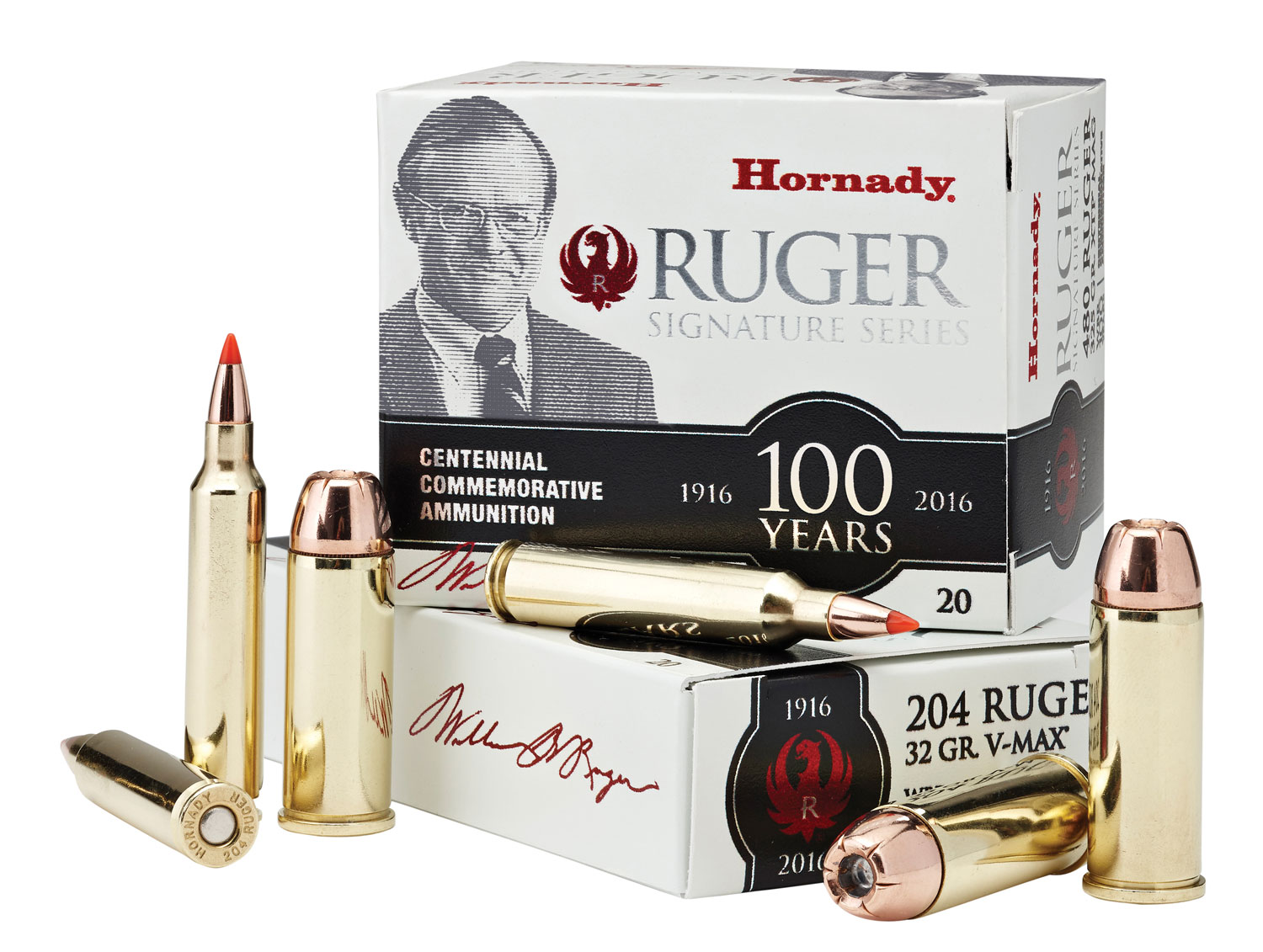
Buy .204 Ruger online from Ammo Plug. We deliver this high-velocity, flat-shooting cartridge reliably with discreet worldwide shipping, no license required, and fast 1–2 day overnight options in the USA and Canada (3–5 days internationally). Enjoy secure payments through Bitcoin, bank transfer, Zelle, CashApp, or Western Union, plus tracking numbers and our 30-day full refund or replacement guarantee. We focus on complete privacy with discreet packaging, 100% customer satisfaction, and a straightforward ordering process: browse our selection, add to cart, checkout, make manual payment, confirm, and receive fast delivery. Perfect for varmint hunting, predator control, and long-range precision with minimal recoil and exceptional accuracy.
$750.00–$3,300.00Price range: $750.00 through $3,300.00
Select options This product has multiple variants. The options may be chosen on the product page
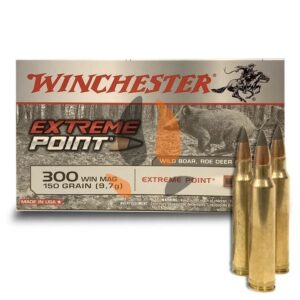
Buy .300 Win Mag online from Ammo Plug. We provide reliable access to .300 Winchester Magnum ammunition with discreet worldwide shipping and no license required. Enjoy fast overnight delivery in the USA and Canada or 3–5 days internationally, plus secure payment options including Bitcoin, bank transfer, Zelle, CashApp, and Western Union. Every order includes a tracking number, discreet packaging, and our 30-day full refund or replacement policy for complete confidence. We focus on 100% customer satisfaction and strict privacy protection throughout the entire process, making us the trusted choice for hunters and shooters seeking powerful, long-range performance ammunition delivered safely and privately.
$850.00–$3,800.00Price range: $850.00 through $3,800.00
Select options This product has multiple variants. The options may be chosen on the product page
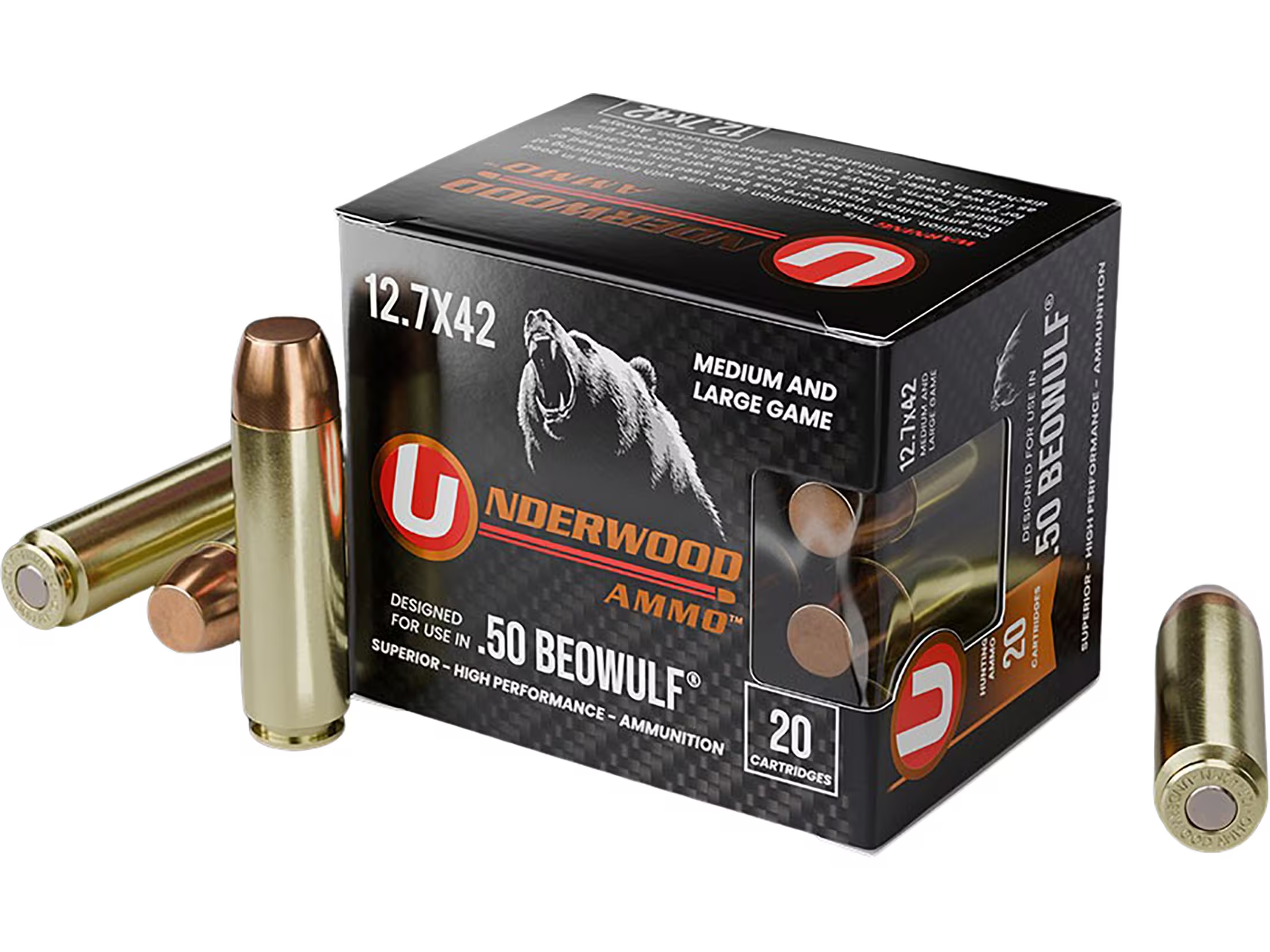
Buy .50 Beowulf online from Ammo Plug for reliable, discreet access to this powerful big-bore AR-15 cartridge. We offer .50 Beowulf (12.7x42mmRB) ammunition designed for superior stopping power, deep penetration, and versatility in hunting, home defense, and barrier defeat scenarios. Enjoy discreet worldwide shipping with overnight delivery in the USA and Canada, plus 3–5 days internationally. We accept Bitcoin, bank transfer, Zelle, CashApp, and Western Union—no credit cards required. Every order includes a tracking number and our 30-day full refund or replacement policy. We guarantee 100% customer satisfaction with privacy-focused packaging and dedicated support for a seamless experience.
$1,300.00–$4,800.00Price range: $1,300.00 through $4,800.00
Select options This product has multiple variants. The options may be chosen on the product page
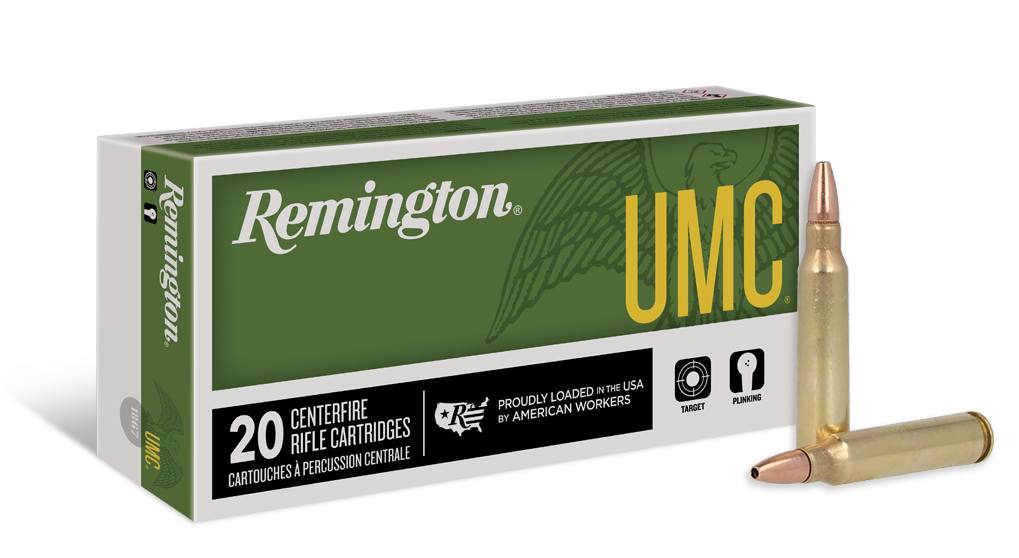
Buy .223 Remington online from Ammo Plug. We offer reliable, discreet access to this versatile rifle cartridge, perfect for target shooting, varmint hunting, training, and precision applications. Enjoy worldwide delivery with no license required, overnight shipping in the USA and Canada (1–2 days), and international options (3–5 days). We provide full tracking, discreet packaging, and a 30-day full refund or replacement guarantee. Secure payments include Bitcoin, bank transfer, Zelle, CashApp, and Western Union. Our privacy-focused service ensures 100% customer satisfaction for every .223 Remington order.
$500.00–$2,200.00Price range: $500.00 through $2,200.00
Select options This product has multiple variants. The options may be chosen on the product page