No products in the cart.
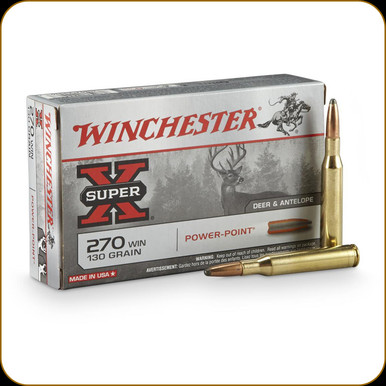
Buy .270 Winchester online
Price range: $650.00 through $3,000.00
Buy .270 Winchester online from Ammo Plug, the most reliable source for ammunition with no license required and discreet worldwide delivery. We offer fast overnight shipping in 1–2 days within the USA and Canada, plus 3–5 days internationally, using plain packaging to protect your privacy. Choose secure payment options including Bitcoin, bank transfer, Zelle, CashApp, or Western Union, and receive a tracking number with every order. Our 30-day full refund or replacement policy, combined with 100% customer satisfaction focus, ensures complete confidence. Browse our selection, add to cart, checkout, make manual payment, and enjoy discreet delivery—Ammo Plug delivers the .270 Winchester you need quickly, safely, and privately.
GET 10% DISCOUNT FOR ORDERS PAID VIA BITCOIN(BTC) OR USDT: USE CODE: “CRYPTO”
130 grains (1000)Rounds
$650.00
130 grains (2000)Rounds
$1,200.00
130 grains (5000)Rounds
$2,800.00
140 grains (1000)Rounds
$700.00
140 grains (2000)Rounds
$1,300.00
140 grains (5000)Rounds
$2,900.00
150 grains (1000)Rounds
$800.00
150 grains (2000)Rounds
$1,400.00
150 grains (5000)Rounds
$3,000.00
WE'RE A TEAM OF DEDICATED EXPERTS THAT OPERATE WITH 100% DISCRETION FROM DISCREET PACKAGING TO DELIVERY. THROUGH OUR TRUSTED CONNECTIONS WITH MAJOR CARRIERS, YOUR PACKAGE IS FULLY PROTECTED THROUGHOUT THE SHIPPING PROCESS AND GUARANTEED TO ARRIVE SAFELY EVERY TIME. TO MAINTAIN THIS HIGH LEVEL OF SERVICE AND SECURITY, WE ONLY SHIP THE MINIMUM ORDER QUANTITIES LISTED ABOVE.
Description
Where to Buy .270 Winchester Online
We make it simple and secure to get .270 Winchester ammunition through our platform at Ammo Plug.
- We serve as the trusted online source for hunters and shooters seeking .270 Winchester rounds without complicated requirements or restrictions.
- Our inventory covers popular loads, including those with 130-grain and 150-grain bullets that deliver flat trajectories and strong performance for various ranges.
- We prioritize discreet packaging to protect your privacy during every step of the ordering and delivery process.
- Customers worldwide can access our service, with tailored fast shipping to match location needs.
- We handle all transactions securely using cryptocurrency and electronic transfer options for added convenience and confidentiality.
- Our team ensures quick order processing so you receive your .270 Winchester ammunition without unnecessary delays.
- We stand behind every purchase with a full 30-day policy for refunds or replacements if anything does not meet expectations.
How to Order .270 Winchester Online
Ordering .270 Winchester from us follows a straightforward process designed for ease and security.
- Browse our selection of .270 Winchester ammunition options to find the loads that best suit your needs.
- Add your chosen items to the cart with simple clicks for a smooth shopping experience.
- Proceed to checkout where we guide you through the final steps securely.
- Complete manual payment using one of our accepted methods like Bitcoin, bank transfer, Zelle, CashApp, or Western Union.
- Wait for our payment confirmation, which we send promptly once we verify the transaction.
- Track your package with the provided number as we prepare discreet delivery to your location.
- Receive your order quickly, with satisfaction guaranteed through our support if any issues arise.
Why Choose Ammo Plug
We stand out as the most reliable choice for purchasing .270 Winchester ammunition online due to our focus on privacy, speed, and trust.
- We offer discreet packaging and delivery to keep your purchase completely private from start to finish.
- Our worldwide shipping reaches customers everywhere without requiring any license or special permissions.
- We provide fast overnight options within the USA and Canada for those who need ammunition urgently.
- International deliveries arrive in 3 to 5 days, balancing speed with reliable service across borders.
- We accept flexible payments including Bitcoin and other electronic methods, avoiding credit card restrictions.
- Every order includes a tracking number so you always know the status of your shipment.
- Our 30-day full refund or replacement policy gives you complete confidence in every purchase.
- We maintain 100% customer satisfaction through dedicated support and a privacy-focused approach.
Shipping Policy
We handle shipping for .270 Winchester ammunition with care to ensure fast, discreet, and reliable arrival.
- Within the USA and Canada we provide overnight delivery in 1 to 2 days for quick access when time matters.
- International orders ship worldwide and typically arrive in 3 to 5 business days depending on the destination.
- All packages use plain, unmarked discreet packaging to protect your privacy completely.
- We include a tracking number with every shipment for real-time monitoring of your order.
- Our process ensures secure handling from warehouse to delivery without unnecessary attention.
- We work with trusted carriers to maintain speed and reliability across all locations.
- Customers receive updates and support if any delivery questions come up during transit.
Product Specification Table
| Specification | Details |
|---|---|
| Cartridge Name | .270 Winchester |
| Bullet Diameter | .277 inches (7.04 mm) |
| Case Type | Bottlenecked rimless |
| Parent Case | .30-06 Springfield |
| Case Length | 2.540 inches (64.52 mm) |
| Overall Length | Approximately 3.340 inches (84.84 mm) |
| Common Bullet Weights | 90 grains (varmint), 130 grains (most popular), 140 grains, 150 grains (heavier game) |
| Typical Muzzle Velocity (130 gr) | Around 3,060–3,100 fps from 24-inch barrel |
| Typical Muzzle Energy (130 gr) | Approximately 2,700 ft-lbs |
| Typical Muzzle Velocity (150 gr) | Around 2,850–2,900 fps |
| Typical Muzzle Energy (150 gr) | Approximately 2,700 ft-lbs |
| Max Pressure (SAAMI) | 65,000 PSI |
| Rifling Twist Rate | Standard 1:10 inches |
| Primary Uses | Medium to large game hunting, deer, elk, pronghorn, varmints with light loads |
| Introduced | 1925 by Winchester Repeating Arms |
Product Comparison Table
| Feature | .270 Winchester | .30-06 Springfield | .308 Winchester |
|---|---|---|---|
| Bullet Diameter | .277 inches | .308 inches | .308 inches |
| Popular Bullet Weight | 130 grains | 150–180 grains | 150–168 grains |
| Muzzle Velocity (typical) | 3,060 fps (130 gr) | 2,900 fps (150 gr) | 2,800 fps (150 gr) |
| Trajectory Flatness | Very flat (longer effective range) | Good | Moderate |
| Recoil Level | Moderate (lighter than .30-06) | Higher | Moderate |
| Best For | Deer, pronghorn, elk at distance | Versatile big game | Shorter range, tactical/hunting |
| Energy Retention at 300 yd | Excellent | Strong | Good |
Buy .270 Winchester online
The .270 Winchester is a favorite for deer and elk hunting thanks to its flat trajectory and excellent downrange energy. Customers who buy 270 Winchester online commonly seek other versatile hunting calibers. A popular choice is to buy 30-06 Springfield online for similar performance with heavier bullet weights.
Many also buy 300 Win Mag online when they need more power for larger game or longer distances. For lighter recoil training, buy 7mm-08 online provides an efficient alternative.
Additional information
| Select Qty | 130 grains (1000)Rounds, 130 grains (2000)Rounds, 130 grains (5000)Rounds, 140 grains (1000)Rounds, 140 grains (2000)Rounds, 140 grains (5000)Rounds, 150 grains (1000)Rounds, 150 grains (2000)Rounds, 150 grains (5000)Rounds |
|---|
Related products
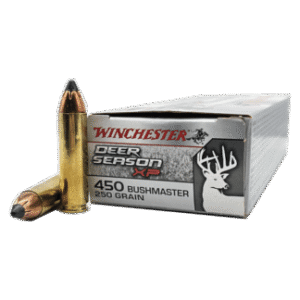
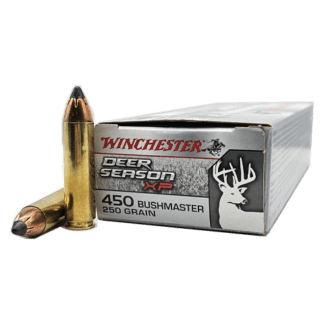
Buy .450 Bushmaster online
Buy .450 Bushmaster online from Ammo Plug. We provide reliable, discreet access to this powerful straight-wall cartridge ideal for hunting deer, black bear, feral hogs, and more in regulated states. Our service features no license required, worldwide shipping, 1–2 day overnight discreet delivery in the USA and Canada, and 3–5 days internationally. Choose secure payments via Bitcoin, bank transfer, Zelle, CashApp, or Western Union. Every order includes a tracking number, plus our 30-day full refund or replacement policy for complete peace of mind. We ensure 100% customer satisfaction with privacy-focused packaging and dependable fulfillment for all your .450 Bushmaster ammunition needs.
Price range: $1,100.00 through $4,600.00Select options This product has multiple variants. The options may be chosen on the product pageBuy 6.8 SPC online
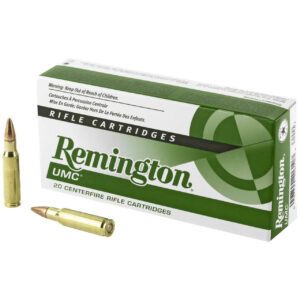
Buy 6.8 SPC online from Ammo Plug. We deliver reliable, discreet access to 6.8 SPC ammunition worldwide with no license required, overnight shipping in the USA and Canada, and 3–5 day international delivery. Enjoy secure payments via Bitcoin, bank transfer, Zelle, CashApp, or Western Union, plus tracking numbers and a 30-day full refund or replacement guarantee. Our service emphasizes complete privacy with unmarked packaging, fast processing, and 100% customer satisfaction. Whether for hunting medium game, home defense, target shooting, or AR-15 platform versatility, we provide consistent factory loads from trusted manufacturers in various bullet types and weights, all handled with speed and discretion.
Price range: $850.00 through $3,800.00Select options This product has multiple variants. The options may be chosen on the product pageBuy .50 Beowulf online
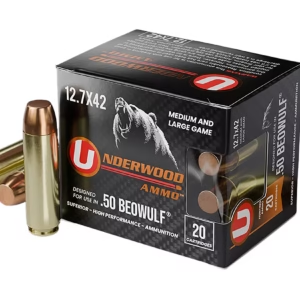
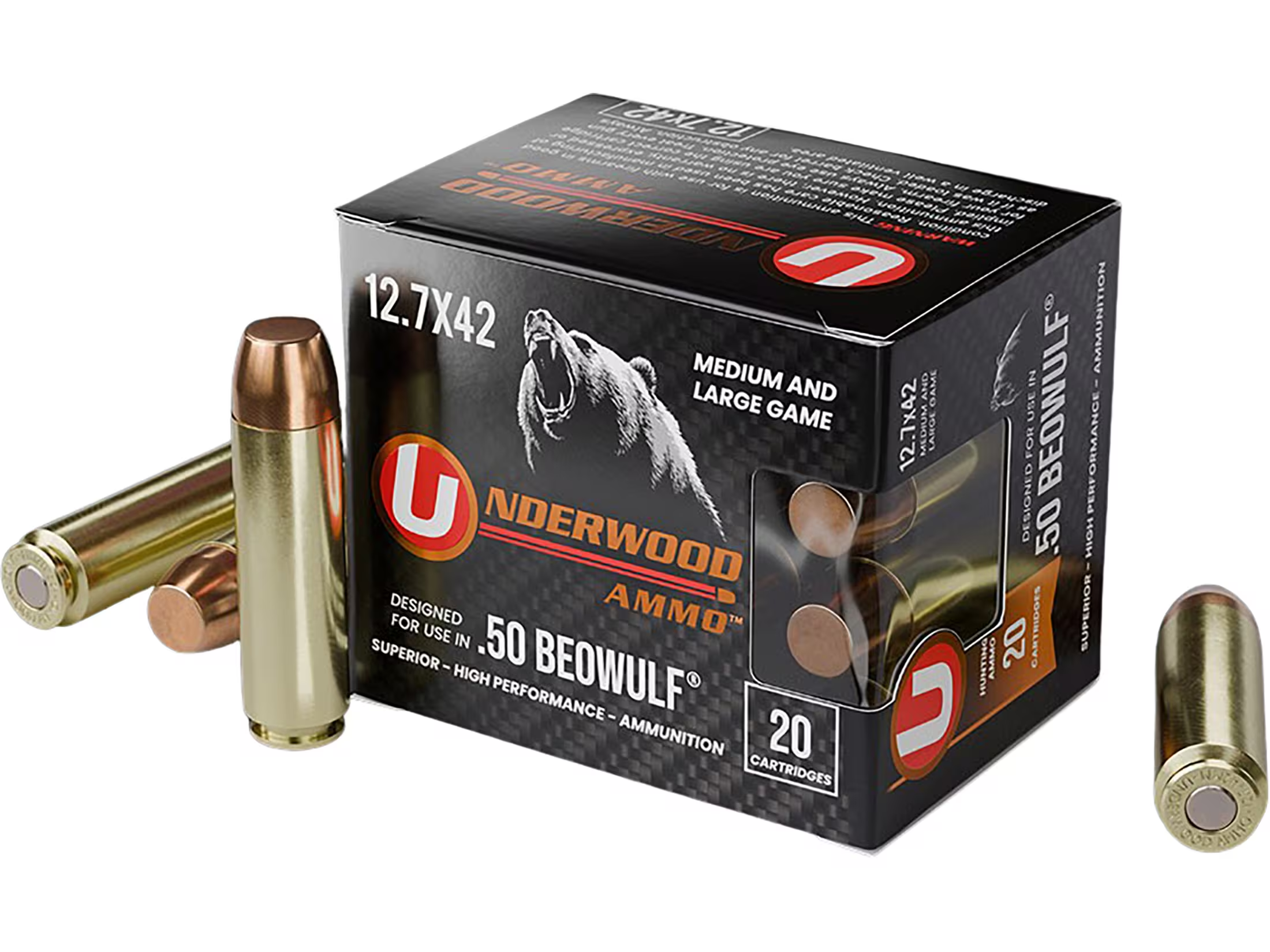
Buy .50 Beowulf online from Ammo Plug for reliable, discreet access to this powerful big-bore AR-15 cartridge. We offer .50 Beowulf (12.7x42mmRB) ammunition designed for superior stopping power, deep penetration, and versatility in hunting, home defense, and barrier defeat scenarios. Enjoy discreet worldwide shipping with overnight delivery in the USA and Canada, plus 3–5 days internationally. We accept Bitcoin, bank transfer, Zelle, CashApp, and Western Union—no credit cards required. Every order includes a tracking number and our 30-day full refund or replacement policy. We guarantee 100% customer satisfaction with privacy-focused packaging and dedicated support for a seamless experience.
Price range: $1,300.00 through $4,800.00Select options This product has multiple variants. The options may be chosen on the product pageBuy .204 Ruger online
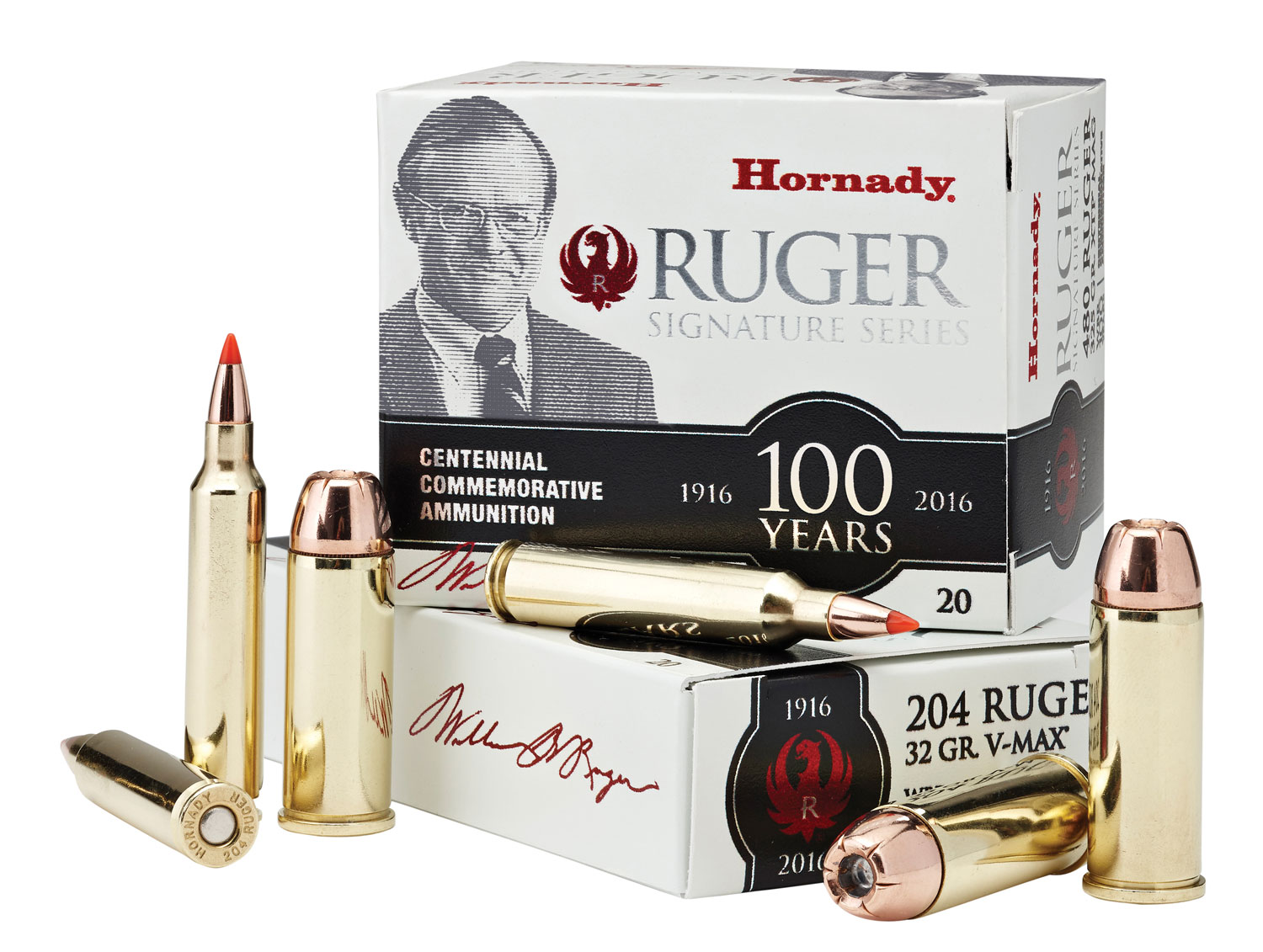
Buy .204 Ruger online from Ammo Plug. We deliver this high-velocity, flat-shooting cartridge reliably with discreet worldwide shipping, no license required, and fast 1–2 day overnight options in the USA and Canada (3–5 days internationally). Enjoy secure payments through Bitcoin, bank transfer, Zelle, CashApp, or Western Union, plus tracking numbers and our 30-day full refund or replacement guarantee. We focus on complete privacy with discreet packaging, 100% customer satisfaction, and a straightforward ordering process: browse our selection, add to cart, checkout, make manual payment, confirm, and receive fast delivery. Perfect for varmint hunting, predator control, and long-range precision with minimal recoil and exceptional accuracy.
Price range: $750.00 through $3,300.00Select options This product has multiple variants. The options may be chosen on the product page