$1,200.00–$4,800.00Price range: $1,200.00 through $4,800.00
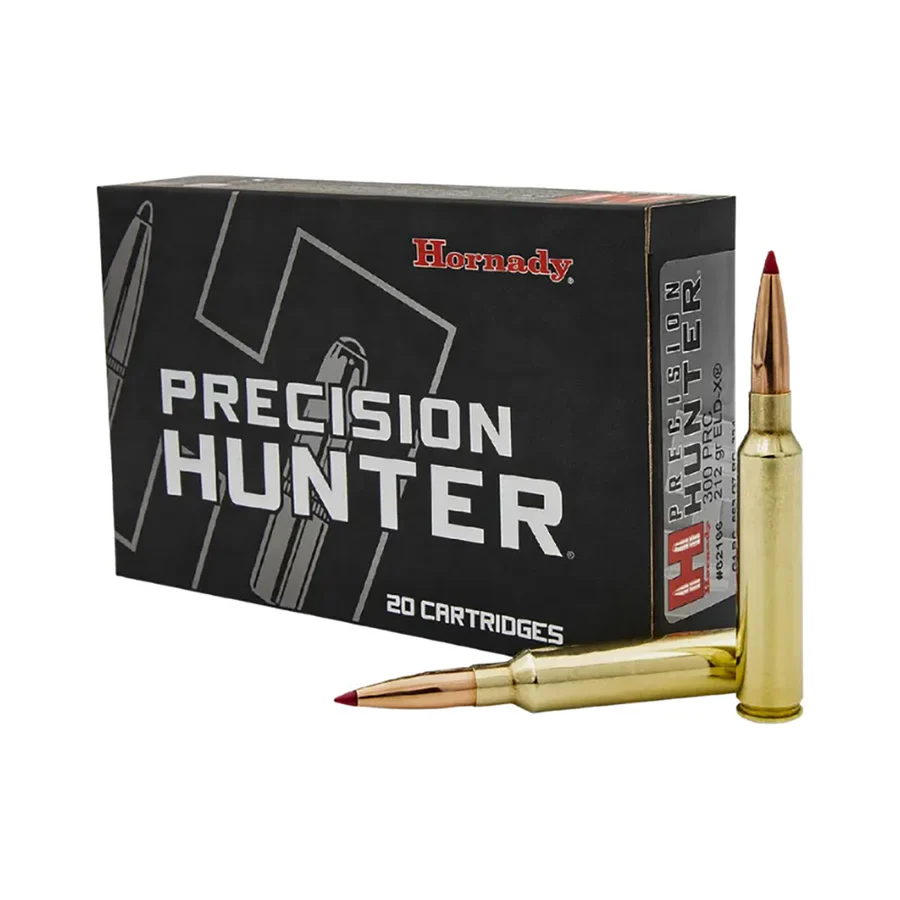
Buy .300 PRC online from Ammo Plug. We provide reliable, discreet access to .300 PRC ammunition tailored for long-range precision shooting, extreme long-range competitions, and big game hunting at extended distances. Our service features no license required, worldwide shipping, and fast 1–2 day overnight discreet delivery within the USA and Canada or 3–5 days internationally. Enjoy secure payment options including Bitcoin, bank transfer, Zelle, CashApp, and Western Union, plus every order includes a tracking number and our 30-day full refund or replacement guarantee. We prioritize complete privacy with discreet packaging, strict policies, and 100% customer satisfaction for every .300 PRC purchase.
GET 10% DISCOUNT FOR ORDERS PAID VIA BITCOIN(BTC) OR USDT: USE CODE: “CRYPTO”
180 grains (1000)Rounds
$1,200.00
180 grains (2000)Rounds
$2,300.00
180 grains (5000)Rounds
$4,500.00
212 grains (1000)Rounds
$1,300.00
212 grains (2000)Rounds
$2,400.00
212 grains (5000)Rounds
$4,700.00
225 grains (1000)Rounds
$1,400.00
225 grains (2000)Rounds
$2,500.00
225 grains (5000)Rounds
$4,800.00
WE'RE A TEAM OF DEDICATED EXPERTS THAT OPERATE WITH 100% DISCRETION FROM DISCREET PACKAGING TO DELIVERY. THROUGH OUR TRUSTED CONNECTIONS WITH MAJOR CARRIERS, YOUR PACKAGE IS FULLY PROTECTED THROUGHOUT THE SHIPPING PROCESS AND GUARANTEED TO ARRIVE SAFELY EVERY TIME. TO MAINTAIN THIS HIGH LEVEL OF SERVICE AND SECURITY, WE ONLY SHIP THE MINIMUM ORDER QUANTITIES LISTED ABOVE.
We provide a trusted platform for purchasing .300 PRC ammunition without complications or requirements for special permits.
We serve as a dedicated online facilitator specializing in .300 PRC rounds for hunters, long-range shooters, and precision enthusiasts seeking consistent performance.
Our inventory focuses on high-quality .300 PRC loads featuring heavy-for-caliber bullets designed for superior ballistic coefficients and extended range accuracy.
We ensure every .300 PRC order receives discreet packaging to maintain complete confidentiality during transit.
We deliver .300 PRC ammunition worldwide, making it accessible regardless of location while prioritizing secure and reliable service.
We handle all aspects of the process from selection to delivery, allowing customers to obtain .300 PRC without traditional retail restrictions.
We support multiple convenient payment options tailored for privacy and ease when buying .300 PRC online.
We maintain strict privacy standards so your .300 PRC purchases remain protected and untraceable beyond necessary logistics.
We offer customer-focused policies including full refunds or replacements to guarantee satisfaction with every .300 PRC transaction.
How to Order .300 PRC Online
Ordering .300 PRC from us follows a simple, secure process designed for speed and discretion.
Browse our selection of .300 PRC ammunition options to find the loads that match your needs for hunting or precision shooting.
Add your chosen .300 PRC products to the cart with ease, reviewing quantities and details before proceeding.
Proceed to checkout where we guide you through entering essential shipping information securely.
Complete manual payment using one of our supported methods such as Bitcoin, bank transfer, Zelle, CashApp, or Western Union for .300 PRC orders.
Await payment confirmation from our team, which typically occurs quickly to keep your .300 PRC order moving forward.
Receive a tracking number once your .300 PRC package ships, allowing real-time monitoring of delivery progress.
Experience discreet delivery of your .300 PRC ammunition directly to your specified address with attention to privacy.
Contact us if any assistance is needed during the ordering process to ensure your .300 PRC purchase goes smoothly.
Why Choose Ammo Plug
We stand out as the most reliable choice for .300 PRC ammunition due to our focus on privacy, speed, and customer satisfaction.
We prioritize discreet packaging and delivery for all .300 PRC orders to protect your privacy at every step.
We provide worldwide shipping options without requiring any license, making .300 PRC accessible to more customers.
We offer overnight discreet delivery within the USA and Canada for fast access to .300 PRC when time matters.
We accept flexible payments including Bitcoin, bank transfer, Zelle, CashApp, and Western Union to suit different preferences for .300 PRC purchases.
We implement a 30-day full refund or replacement policy to ensure complete confidence in every .300 PRC order.
We deliver 100% customer satisfaction through reliable service, accurate fulfillment, and responsive support for .300 PRC needs.
We maintain strict privacy policies that safeguard all details related to your .300 PRC transactions and shipments.
We focus exclusively on secure, hassle-free access to .300 PRC so you can concentrate on your shooting or hunting goals.
Shipping Policy
We handle shipping for .300 PRC with efficiency, discretion, and clear timelines to meet customer expectations.
We provide 1 to 2 days overnight discreet delivery for .300 PRC orders within the USA and Canada to ensure rapid arrival.
We offer 3 to 5 days delivery for international .300 PRC shipments, balancing speed with reliable global reach.
We use discreet packaging methods for all .300 PRC orders to maintain confidentiality during transport.
We include a tracking number with every .300 PRC shipment so you can monitor progress from dispatch to delivery.
We prioritize secure handling throughout the shipping process to protect .300 PRC contents until they reach you.
We adhere to privacy-focused logistics that minimize visibility of .300 PRC deliveries at all stages.
We support our shipping with a satisfaction guarantee, including options for resolution if any .300 PRC delivery issues arise.
We commit to consistent, dependable timelines for .300 PRC worldwide to build trust with every order.
180 to 250 grains (optimized for 212-225 grain high-BC projectiles)
Common Bullet Types
ELD-X (hunting), ELD Match (precision), A-Tip Match, Barnes LRX
Typical Muzzle Velocity
2,810 to 2,900 fps (factory loads with 212-225 grain bullets)
Typical Muzzle Energy
3,850 to 3,945 ft-lbs
Ballistic Coefficient (G1)
Up to 0.777 (e.g., 225 gr ELD Match)
Standard Twist Rate
1:8 to 1:8.5 (optimized for heavy, long bullets)
Designed For
Long-range precision, extended range hunting, extreme long-range use
SAAMI Max Pressure
65,000 psi
Product Comparison Table
Feature
.300 PRC
.300 Win Mag
Case Design
Non-belted, shoulder headspace
Belted, belt headspace
Case Length
2.580 inches
2.620 inches
Max Overall Length
3.700 inches
3.340 inches
Shoulder Angle
30 degrees
25 degrees
Optimized Bullet Weights
200-250 grains (heavy high-BC)
150-220 grains (lighter/faster)
Typical Muzzle Velocity
2,810-2,860 fps (heavy bullets)
2,900-3,000 fps (lighter bullets)
Long-Range Performance
Superior (less drop, wind drift)
Good, but more drop at extreme range
Chamber Tolerances
Tighter for better alignment
More generous
Recoil (approx.)
Higher (heavier bullets)
Slightly lower
Best For
Precision/ELR shooting, long-range hunting
Versatile hunting, general magnum use
Buy .300 PRC online
.300 PRC excels in long-range shooting due to its modern design that launches heavy, high-ballistic-coefficient bullets with excellent velocity retention, minimal drop, and reduced wind drift over extended distances.
It was specifically engineered by Hornady for precision rifle competitions and extreme long-range applications, optimizing performance beyond 1,000 yards where older magnums fall short.
The cartridge supports super-high BC projectiles like 225-grain ELD Match (BC up to 0.777) and 250-grain A-Tip, maintaining flat trajectories and energy far past typical hunting ranges.
Non-belted case design with 30-degree shoulder improves chamber alignment and bullet seating consistency for tighter groups at distance.
Generous head height and throat dimensions allow long, sleek bullets to be seated out fully, maximizing aerodynamic efficiency without compromising overall cartridge length.
It delivers consistent muzzle velocities with low standard deviations, contributing to predictable ballistics and reliable hits on small targets at 1,500+ yards.
Superior wind resistance from heavy, high-BC bullets makes it ideal for challenging conditions where lighter .30 caliber options drift more.
Energy retention remains high at extended ranges, often outperforming belted magnums like .300 Win Mag past 1,000 yards in drop and drift metrics.
Barrel life stays reasonable despite magnum performance, thanks to efficient powder burn rates that avoid excessive heat and wear.
.300 PRC uses a standard magnum bolt face and fits most long-action rifles, making it widely compatible without needing custom or specialized actions for most shooters.
It employs a 0.532-inch head diameter and standard 0.540-inch magnum bolt face, matching common .300 Win Mag and similar setups for easy rifle swaps or builds.
The cartridge requires a full-length magnum action but avoids exotic modifications, allowing use in popular platforms from Remington, Winchester, Bergara, and custom builders.
No belt on the case improves feeding reliability in magazines and reduces potential headspace issues compared to older belted magnums.
SAAMI specs ensure broad compatibility with factory rifles chambered for magnum .30 calibers, often with only minor rebarreling needed.
Many production rifles like the Bergara Premier or Proof Research models come ready for .300 PRC, supporting immediate use without action alterations.
It works well in both fixed and detachable magazine systems due to improved case geometry that enhances stacking and smooth cycling.
Handloaders benefit from standard large rifle magnum primers and widely available components, simplifying compatibility across reloading setups.
Overall design prioritizes drop-in compatibility for shooters transitioning from other .30 caliber magnums without extensive gunsmithing.
Heavy bullet weights from 212 to 225 grains perform best in .300 PRC, delivering optimal ballistic coefficients, velocity retention, and terminal performance for its intended long-range and hunting roles.
212-grain Hornady ELD-X offers excellent hunting expansion and high BC (around 0.673) for balanced energy delivery on big game at extended ranges.
225-grain ELD Match or similar provides top-tier G1 BC up to 0.777, excelling in precision shooting with minimal wind drift and superior long-range accuracy.
230-grain options like Berger Hybrid Target or A-Tip variants push aerodynamic limits while maintaining velocities around 2,900-3,000 fps in optimized loads.
Heavier 245-250 grain projectiles (e.g., Berger Elite Hunter or Hornady A-Tip) maximize wind resistance and energy for extreme long-range or large-game applications.
These weights leverage the cartridge’s case capacity to achieve efficient powder burn and consistent velocities without excessive pressure spikes.
Lighter bullets (under 200 grains) work but underutilize the .300 PRC’s design, as it was built around heavy, long projectiles for peak performance.
High-BC heavy bullets reduce drop and drift dramatically, making 212-225 grain range ideal for most shooters seeking sub-MOA groups at 1,000+ yards.
Terminal performance shines with controlled-expansion designs in this weight class, providing deep penetration and reliable expansion on elk or moose beyond 500 yards.
.300 PRC often surpasses other .30 caliber magnums in accuracy thanks to its non-belted design, tighter chamber tolerances, and optimization for modern high-BC bullets that enhance consistency and group size.
Non-belted case eliminates belt-related headspace variations, improving bullet alignment and reducing flyers common in belted magnums like .300 Win Mag.
Tighter SAAMI throat and chamber specs (e.g., 0.3088-inch leade) promote better bullet concentricity and uniform release for smaller groups.
Generous head height allows optimal seating of long bullets, minimizing jump and enhancing inherent precision in both factory and handloaded ammunition.
Consistent velocity standard deviations from efficient powder capacity lead to predictable ballistics and tighter extreme spread at long range.
Designed for match-grade performance, it frequently achieves sub-MOA or better groups out of the box in quality rifles, rivaling or exceeding .300 Win Mag in precision setups.
Reduced sensitivity to temperature changes and powder lot variations contributes to reliable accuracy across shooting sessions and conditions.
Modern high-BC projectiles paired with the cartridge’s geometry minimize wind and gravity effects, translating to better real-world hits on distant targets.
Shooters report superior long-range consistency compared to older designs, especially past 800 yards where alignment and stability matter most.
Yes, .300 PRC is highly effective for big game hunting, providing ample energy, deep penetration, and reliable bullet expansion on large animals like elk, moose, and bear at extended distances.
It delivers 3,800-3,900+ ft-lbs muzzle energy with 212-225 grain hunting bullets, ensuring ethical kills well beyond 500 yards.
Controlled-expansion designs like Hornady ELD-X or Barnes LRX retain weight and penetrate deeply through heavy bone and muscle on big North American game.
Flat trajectory and high BC reduce holdover needs, allowing precise shot placement on vital zones at 600-800+ yards in open terrain.
Heavy bullets maintain velocity and energy better than lighter magnum loads, offering superior terminal performance on tough animals at range.
Recoil remains manageable in properly built rifles (often with brakes or suppressors), enabling accurate follow-up shots when needed.
Versatile for various big game species, from deer at moderate ranges to elk at long distances, without excessive meat damage when using appropriate bullets.
Factory loads from Hornady and others provide proven hunting performance straight from the box, with handloaders gaining even more optimization.
Worldwide accessibility through our service makes it a practical choice for hunters seeking powerful, long-range capability without licensing hurdles.
A 1:8 to 1:8.5 twist rate is recommended for .300 PRC to fully stabilize the long, heavy high-BC bullets the cartridge was designed around, ensuring optimal accuracy and performance at long ranges.
Factory rifles and barrels from major manufacturers like Bergara, Proof Research, and others commonly feature 1:8 or 1:8.5 twists to handle projectiles from 212 to 250 grains effectively without over-spinning lighter bullets.
Heavier bullets such as 225-grain ELD Match, 230-grain Berger Hybrid, or 245-250 grain A-Tip require faster twists like 1:8 to prevent keyholing and maintain gyroscopic stability in varying conditions.
A 1:9 twist works reliably for many loads up to 225-230 grains, providing excellent results in precision setups while still accommodating most hunting and match applications.
Slower twists like 1:10 can stabilize bullets under 200-215 grains but may struggle with the ultra-heavy, long-ogive designs that define .300 PRC’s long-range advantages.
Faster twists (1:8 or quicker) reduce the risk of instability in cold weather or at extreme distances where rotational speed matters more for heavy projectiles.
The cartridge’s SAAMI specs and Hornady’s original design intent favor twists that prioritize heavy-for-caliber bullets, making 1:8 to 1:8.5 the sweet spot for consistent sub-MOA performance.
Custom builders often select 1:8.5 for versatility, balancing stability for 212-225 grain hunting loads with the ability to push 245+ grain match bullets without excessive stress.
Proper twist selection enhances velocity retention and wind resistance, directly contributing to the .300 PRC’s reputation for superior ballistics beyond 1,000 yards.
No, .300 PRC does not require highly specialized reloading components beyond standard large rifle magnum primers and widely available powders, making it accessible for experienced handloaders using common tools and brass.
It uses standard large rifle magnum primers like Federal 215, CCI 250, or Remington 9½M, with Federal Gold Medal Match 215 often providing the lowest extreme spreads for precision loads.
Brass from Hornady, Lapua, and ADG is readily available and shares compatibility with other .30 caliber magnum reloading setups, requiring no unique case prep beyond normal trimming and annealing.
Powders such as H1000, Retumbo, RL26, and N570 perform excellently due to the cartridge’s efficient case capacity, offering consistent velocities without exotic blends.
Standard reloading dies from Hornady, Redding, Forster, and RCBS work perfectly, with micrometer seating stems recommended for precise long-bullet seating but not mandatory.
Bullets are standard .308 diameter options from Hornady (ELD-X/Match), Berger, Barnes, and others—no proprietary projectiles are needed beyond high-BC designs optimized for the cartridge.
Case capacity and geometry allow efficient loading similar to .300 Win Mag, with no need for custom modifications like belted case adjustments or unique headspacing tools.
Handloaders benefit from published data from Hornady, Hodgdon, and others, ensuring safe starting points without extensive experimentation for most applications.
While premium brass enhances consistency for extreme long-range, basic components deliver reliable sub-MOA results, keeping .300 PRC reloading straightforward and cost-effective.
.300 PRC performs exceptionally well in windy conditions thanks to its heavy, high-ballistic-coefficient bullets that resist drift far better than lighter .30 caliber options, maintaining accuracy and energy at extended ranges.
High-BC projectiles like 225-grain ELD Match (G1 BC ~0.777) or 230-grain Berger reduce lateral drift significantly, often by 20-40% compared to 180-200 grain bullets in similar magnums.
Heavy bullet weights (212-250 grains) paired with efficient velocity retention minimize the effects of crosswinds, allowing precise impacts where lighter loads would veer off target.
The non-belted design and tight chamber tolerances promote consistent bullet release and spin, reducing variables that amplify wind influence at long distances.
In real-world testing, .300 PRC loads show less deflection in 10-20 mph winds past 800 yards, making it ideal for open prairie, mountain, or competition environments.
Superior sectional density from heavy bullets helps overcome wind push while retaining energy for ethical terminal performance on game or reliable hits on steel.
Ballistic calculators confirm flatter effective trajectories in wind, with drop and drift metrics outperforming belted magnums like .300 Win Mag under identical conditions.
Shooters report tighter groups and higher hit probabilities in gusty conditions due to the cartridge’s focus on aerodynamic efficiency and stability.
Combined with modern rangefinders and wind meters, .300 PRC enables confident long-range shots in challenging wind where older designs struggle.
Yes, .300 PRC is highly suitable for precision rifle competitions as it was specifically designed with match-grade accuracy in mind, excelling in extreme long-range (ELR) and PRS-style events with tight groups and consistent ballistics.
Hornady developed the cartridge for precision rifle use, optimizing it for heavy, high-BC bullets that deliver sub-MOA performance and low velocity spreads in competitive setups.
Non-belted case and 30-degree shoulder improve chamber alignment and bullet concentricity, reducing flyers and enhancing shot-to-shot consistency critical in matches.
It supports long, aerodynamic projectiles like 225-grain ELD Match or Berger Hybrids that excel at 1,000-1,500+ yards, where wind calls and drop matter most in PRS and ELR formats.
Low standard deviations from efficient powder charges and magnum primers provide predictable trajectories, aiding quick dope adjustments during timed stages.
Many top competitors and factory rifles (e.g., Proof Research, Bergara) chambered in .300 PRC achieve consistent sub-½ MOA groups, rivaling dedicated match cartridges.
Manageable recoil in heavier competition rifles allows faster follow-ups and reduced shooter fatigue over multi-stage events.
The cartridge’s SAAMI specs ensure reliable feeding in magazine-fed systems, with smooth cycling in both single-feed and detachable setups common in precision disciplines.
Its performance edge at extreme distances makes it a favorite for ELR challenges, where energy retention and minimal drift separate winners from the field.
A 24-inch barrel optimizes .300 PRC velocity in most factory loads and handloads, delivering peak performance with heavy bullets while balancing practicality, portability, and efficient powder burn.
Factory ammunition from Hornady and others is typically developed and chronographed in 24-inch test barrels, achieving 2,810-2,900 fps with 212-225 grain projectiles for consistent real-world results.
24 inches allows complete powder burn for magnum charges like H1000 or Retumbo, maximizing muzzle velocity without excessive unburned powder or muzzle flash.
Longer barrels (26-28 inches) add marginal velocity gains (20-50 fps) but increase weight and reduce maneuverability, making them better for dedicated benchrest or ELR setups.
Shorter barrels (20-22 inches) sacrifice 50-150 fps depending on load, which can impact long-range ballistics but suit hunting rifles where compactness matters more.
Optimal velocity with heavy bullets occurs around 24-26 inches, where the cartridge’s case capacity shines without diminishing returns from over-length tubes.
Handloaders often find 24-inch barrels provide the best combination of speed, accuracy nodes, and barrel life due to balanced pressure curves and heat management.
In suppressed or brake-equipped rifles, 24 inches maintains high velocity while controlling recoil and blast effectively for precision shooting.
This length aligns with most production .300 PRC rifles, ensuring factory ammo performs as advertised and handloads achieve published data reliably.
.300 PRC generally experiences comparable or slightly lower barrel wear than many older magnums when using modern temperature-stable powders and proper shooting practices, thanks to efficient case design and optimized load data that reduce excessive heat and pressure spikes.
Modern powders like H1000, Retumbo, RL26, and N570 burn cleanly and progressively, producing less throat erosion compared to faster-burning powders often used in older belted magnums.
The non-belted case and tighter chamber specs promote more uniform pressure curves, avoiding hot spots that accelerate wear in belted designs like .300 Win Mag under heavy use.
SAAMI max pressure of 65,000 psi is similar to other magnums, but efficient powder selection allows full velocity with moderate charges, reducing cumulative heat buildup over thousands of rounds.
Shooters report barrel life in the 1,500–2,500+ round range for precision setups with careful handloads, often matching or exceeding well-maintained .300 Win Mag barrels.
Avoiding over-pressure loads and allowing proper cooling between strings significantly extends throat and rifling life in .300 PRC rifles.
High-quality barrels from manufacturers like Proof Research, Bartlein, or Krieger handle the cartridge exceptionally well, with many users achieving extended service life through regular maintenance.
Compared to ultra-hot magnums like .300 RUM, .300 PRC’s balanced performance contributes to more predictable and gentler wear patterns during extended sessions.
Proper break-in procedures and cleaning schedules further minimize fouling and erosion, making barrel longevity competitive with or better than legacy .30 caliber magnums.
Yes, .300 PRC feeds reliably from magazines due to its improved case geometry, non-belted design, and optimized shoulder angle that enhance stacking, alignment, and smooth cycling in both fixed and detachable magazine systems.
The absence of a belt eliminates the common feeding hang-ups seen in belted magnums, allowing cartridges to stack more uniformly and align properly with the feed ramp.
30-degree shoulder promotes consistent headspacing and reduces tipping or binding during the feed stroke in most long-action magazines.
Factory rifles like Bergara Premier, Savage 110 Precision, and custom builds use standard .30-06 length actions with modified magazines that handle .300 PRC flawlessly for 3–5 round capacities.
Detachable box magazines from Accuracy International, MDT, and AICS-pattern systems feed .300 PRC smoothly when properly tuned, with minimal adjustments needed.
The cartridge’s overall length (max 3.700 inches) fits comfortably within SAAMI specs while allowing long bullets to be seated without excessive jump or magazine interference.
Shooters in PRS and hunting applications report near-100% reliability in rapid strings, even under match pressure or field conditions.
Slight polishing of feed lips or minor follower tweaks can perfect feeding in older magazines, but most modern platforms run .300 PRC out of the box with high consistency.
Compared to belted magnums, the .300 PRC’s design significantly reduces malfunctions related to cartridge presentation and bolt pickup.
.300 PRC differs from belted magnums primarily through its non-belted case design, improved headspacing, tighter chamber tolerances, and focus on heavy high-BC bullets, resulting in better accuracy, feeding reliability, and long-range performance.
No belt on the case eliminates belt-induced headspace variations, allowing more precise chamber alignment and consistent bullet release for tighter groups.
Headspacing on the shoulder (30-degree angle) provides more uniform and repeatable positioning compared to belt-reliant systems that can introduce misalignment.
Tighter SAAMI chamber specs reduce bullet jump variability and promote concentricity, contributing to superior inherent accuracy over belted designs like .300 Win Mag.
Case geometry enhances feeding and extraction reliability in magazines, avoiding common issues with belted cartridges that can bind or tip during cycling.
Designed around heavy, long-ogive bullets (212–250 grains), .300 PRC maximizes aerodynamic efficiency where older magnums were often optimized for lighter, faster projectiles.
Improved powder capacity utilization and modern load data deliver flatter trajectories and less wind drift without the excessive recoil or barrel wear sometimes seen in belted hotrods.
The cartridge was purpose-built for precision and extreme long-range use, addressing limitations of 1950s-era belted magnums in modern shooting disciplines.
Overall, these advancements make .300 PRC more consistent, forgiving, and capable at extended distances compared to traditional belted .30 caliber magnums.
Yes, .300 PRC remains highly effective beyond 1,000 yards with excellent velocity retention, minimal drop and drift, and sufficient energy for precision hits or ethical terminal performance on game well past 1,500 yards.
High-BC heavy bullets (e.g., 225-grain ELD Match BC ~0.777) retain supersonic speeds past 1,500 yards in many loads, maintaining stability and accuracy.
Typical drop at 1,000 yards is around 200–250 inches (depending on zero and velocity), with wind drift in 10 mph crosswind often under 30–40 inches—far better than lighter magnums.
Energy levels frequently stay above 1,000–1,500 ft-lbs at 1,200–1,500 yards, sufficient for clean kills on big game or reliable impacts on steel targets.
Low velocity standard deviations and consistent ballistics allow precise dope and quick adjustments in long-range competitions or hunting scenarios.
The cartridge’s design minimizes transonic instability issues, keeping groups tight even as bullets slow through the transonic zone beyond 1,200 yards.
Real-world ELR shooters regularly engage targets at 1,800–2,000+ yards with .300 PRC, leveraging its aerodynamic advantages over older .30 caliber options.
Combined with quality optics, rangefinders, and environmental data, .300 PRC delivers high hit probabilities at extreme distances where wind and gravity dominate.
Its effectiveness at these ranges makes it a top choice for dedicated long-range precision and extreme long-range disciplines.
Recoil in .300 PRC rifles is manageable but noticeably higher than lighter .30 caliber cartridges, comparable to or slightly above .300 Win Mag due to heavier bullets, and is effectively controlled with muzzle brakes, suppressors, or heavier rifle builds.
Pushing 212–225 grain bullets at 2,800–2,900 fps generates recoil energy in the 30–35 ft-lbs range in an 8–10 lb rifle, similar to .300 Win Mag with 180-grain loads.
Heavier bullets increase felt recoil impulse slightly compared to faster, lighter projectiles in other magnums, but the difference is often minimal in practical shooting.
Muzzle brakes reduce perceived recoil by 40–60%, making follow-up shots fast and comfortable even in precision or hunting scenarios.
Suppressors further tame recoil and muzzle blast while maintaining hearing safety, especially beneficial for extended range sessions.
Heavier rifle platforms (10–12+ lbs) with quality stocks absorb recoil effectively, keeping the shooter on target and reducing fatigue.
Compared to ultra-light hunting rifles, .300 PRC feels stout, but proper stock fit, pad design, and shooter technique keep it controllable for most users.
Recoil remains significantly less punishing than larger magnums like .338 Lapua or .300 RUM, striking a balance for long-range capability without excessive punishment.
Many shooters describe .300 PRC recoil as “sharp but short” with brakes, allowing accurate strings and quick recovery in competitive or field use.
The 300 PRC is engineered for superior long-range performance with heavy bullets and high ballistic coefficients. Shooters who buy 300 PRC online often pair it with other contemporary magnum calibers. A popular choice is to buy 300 WSM online for similar short-action advantages with proven field results.
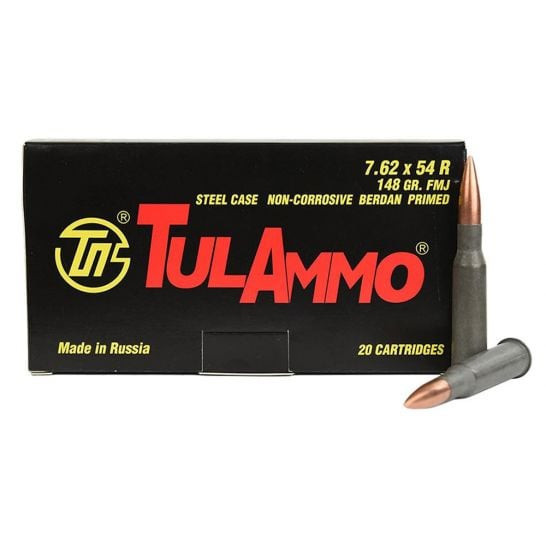
Buy 7.62x54R online from Ammo Plug. We offer reliable, discreet access to this historic rimmed cartridge, in service since 1891 and still used by militaries worldwide. Choose from FMJ for target practice, soft point for hunting medium to large game, or match-grade loads for precision shooting. We deliver worldwide with no license required, using discreet packaging and overnight options within the USA and Canada (1–2 days) or 3–5 days internationally. Pay securely via Bitcoin, bank transfer, Zelle, CashApp, or Western Union. Every order includes tracking, and we back your purchase with a 30-day full refund or replacement policy for complete confidence and 100% customer satisfaction.
$550.00–$2,500.00Price range: $550.00 through $2,500.00
Select options This product has multiple variants. The options may be chosen on the product page
Buy 6.8 SPC online from Ammo Plug. We deliver reliable, discreet access to 6.8 SPC ammunition worldwide with no license required, overnight shipping in the USA and Canada, and 3–5 day international delivery. Enjoy secure payments via Bitcoin, bank transfer, Zelle, CashApp, or Western Union, plus tracking numbers and a 30-day full refund or replacement guarantee. Our service emphasizes complete privacy with unmarked packaging, fast processing, and 100% customer satisfaction. Whether for hunting medium game, home defense, target shooting, or AR-15 platform versatility, we provide consistent factory loads from trusted manufacturers in various bullet types and weights, all handled with speed and discretion.
$850.00–$3,800.00Price range: $850.00 through $3,800.00
Select options This product has multiple variants. The options may be chosen on the product page
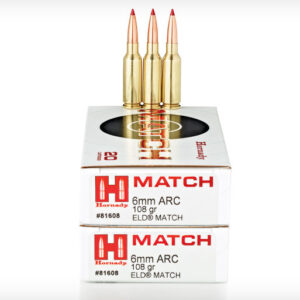
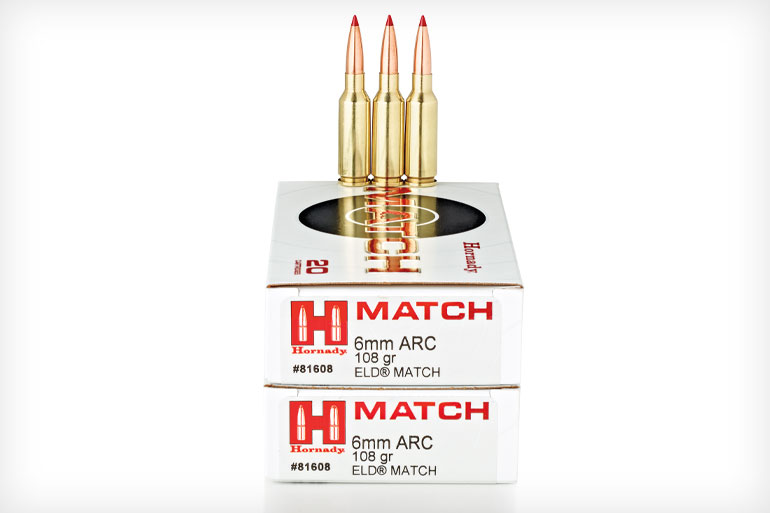
Buy 6mm ARC online from Ammo Plug. We deliver reliable, discreet access to high-performance 6mm ARC ammunition worldwide with no license required. Enjoy overnight discreet shipping in 1-2 days within the USA and Canada, or 3-5 days internationally, using secure payments like Bitcoin, bank transfer, Zelle, CashApp, or Western Union. Every order includes a tracking number and our 30-day full refund or replacement guarantee. We prioritize 100% customer satisfaction with plain packaging, fast processing, and responsive support. Whether for long-range precision, hunting medium game, varmint control, or multi-purpose AR-15 use, we make getting quality 6mm ARC simple, private, and dependable
$700.00–$3,200.00Price range: $700.00 through $3,200.00
Select options This product has multiple variants. The options may be chosen on the product page
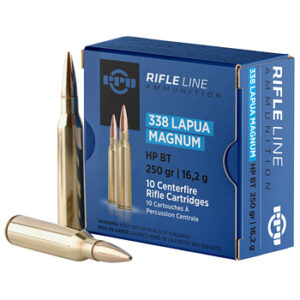
Buy .338 Lapua Magnum online from Ammo Plug for reliable, discreet access to this elite long-range cartridge renowned for its exceptional ballistics, high muzzle energy, and precision at extreme distances. We offer a wide selection of match-grade, tactical, and hunting loads with heavy high-BC bullets that deliver superior wind resistance, deep penetration, and consistent supersonic flight beyond 1,500 yards. Enjoy overnight discreet delivery in 1–2 days within the USA and Canada, or 3–5 days internationally, complete with tracking numbers. We accept secure payments via Bitcoin, bank transfer, Zelle, CashApp, or Western Union—no credit cards required—and provide full worldwide shipping with no license needed. Every order is backed by our 30-day refund or replacement policy and 100% customer satisfaction guarantee, ensuring privacy and confidence in every purchase
$1,200.00–$4,800.00Price range: $1,200.00 through $4,800.00
Select options This product has multiple variants. The options may be chosen on the product page